

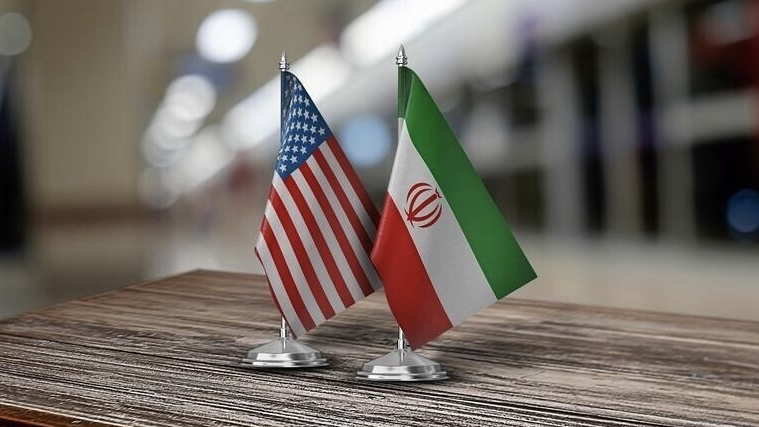
Over the years, numerous attempts have been made to reach agreements aimed at permanently ending hostilities between the United States and Iran. However, many previous deals have either collapsed or failed to be fully implemented, raising questions about whether any new agreement will be different.
Pakistan has emerged as a key mediator in the latest negotiations. Pakistani officials said on Saturday that they were hopeful a ceasefire agreement could be finalized within the next 24 hours.
U.S. President Donald Trump stated that the agreement is expected to be signed on Sunday. He also said that, once the deal takes effect, the Strait of Hormuz would be reopened to international shipping.
According to reports, the proposed agreement includes a number of major commitments. These include a cessation of hostilities across the region, including in Lebanon, the reopening of ports and maritime routes that have been blocked during the conflict, and the withdrawal of U.S. military forces stationed around Iran’s borders.
The deal is also said to contain U.S. assurances that Washington will not interfere in Iran’s internal affairs, alongside measures to guarantee free navigation through the Strait of Hormuz.
Despite the optimism surrounding the talks, observers remain cautious, noting that previous agreements between the two countries have often failed to deliver lasting results.
_______
Previously:
These recent developments came after US strikes Iran for Downing a military Helicopter of US during clashes between Iran and Israel for Israeli aggression against Lebanon.