

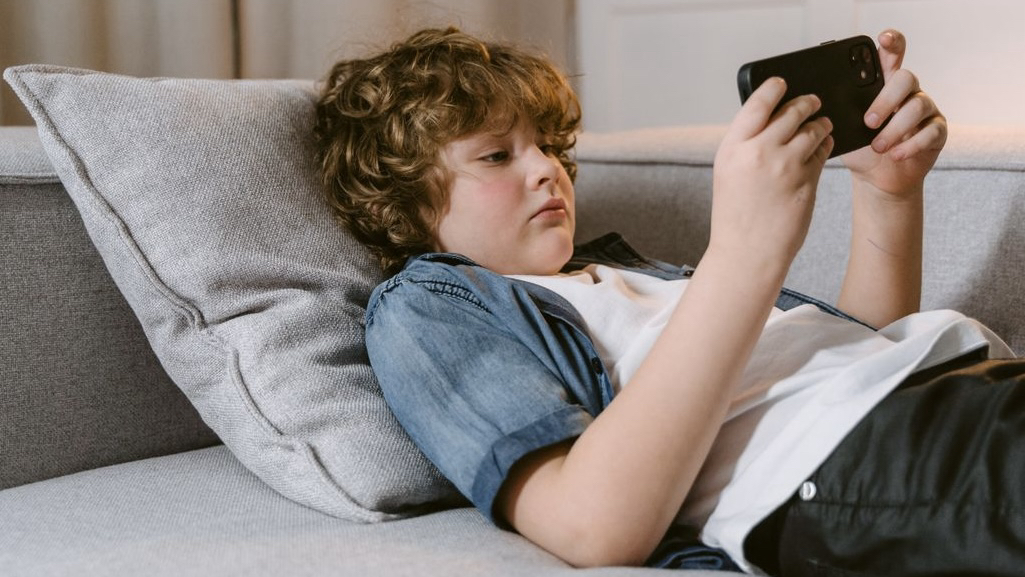
Britain has announced a sweeping ban on social media access for children under the age of 16, becoming one of the latest countries to introduce strict online safety measures for minors. Prime Minister Sir Keir Starmer said the restrictions will take effect in spring 2027 and are designed to protect children from harmful content, online predators, cyberbullying and the addictive nature of social media platforms.
Under the new rules, children under 16 will be prohibited from accessing major social media platforms including Snapchat, TikTok, YouTube, Instagram, Facebook and X. The government said the ban will apply to services whose primary purpose is social interaction and user-generated content. Messaging services such as WhatsApp and Signal will not be included.
The measures go beyond a simple social media ban. Platforms will be required to prevent users under 16 from livestreaming, including on gaming platforms, and will block features that allow strangers to contact children. Similar protections will also be enabled by default for 16- and 17-year-olds to prevent what the government described as a “cliff-edge” transition at age 16.
The government is also considering additional safeguards for users under 18, including overnight social media curfews and interruptions to infinite scrolling features. Further details are expected later this year. In addition, AI “romantic companion” chatbots that simulate sexual or romantic relationships will be restricted to adults aged 18 and over, while other AI chatbots will be required to limit intimate functions for minors.
To enforce the ban, Britain plans to introduce what it describes as “highly effective age assurance” measures. Social media companies may be required to verify users’ ages through methods such as facial age estimation technology, government-issued identification documents or other approved verification systems. Communications regulator Ofcom has been tasked with identifying the most effective methods for determining whether users are over the age of 16.
Starmer acknowledged that some teenagers may still find ways to bypass the restrictions but argued that the government has a responsibility to act. He compared the policy to laws restricting alcohol sales to minors, saying that the possibility of circumvention should not prevent governments from introducing protections for children.
The move follows a public consultation that received more than 116,000 responses, with around 90 percent of parents supporting a minimum age of 16 for access to major social media platforms. Supporters argue the measures will help improve children’s mental health, reduce online harms and give young people more time away from screens.
However, critics have questioned whether blanket bans are the best solution. Some child safety experts and digital rights groups have warned that determined teenagers may simply use VPNs or other methods to bypass restrictions, while others argue that governments should focus on making platforms safer rather than excluding children entirely.
Britain joins a growing number of countries that have either introduced or are considering similar restrictions. Australia became the first country to pass a nationwide social media ban for under-16s, while Indonesia has introduced restrictions on children’s access to major online platforms. Turkey has approved legislation restricting social media use by younger teenagers, Malaysia has also Banned Social Media for Under-16s couple of weeks ago and also several European countries, including France, Greece, Spain and Denmark, have explored comparable measures.
The Maldives has also signaled interest in adopting a similar approach. President Mohamed Muizzu recently announced that his administration intends to introduce laws and regulations restricting social media access for children under the age of 16. He said the government would study Australia’s model and engage with social media companies as it works toward implementing age-based restrictions in the country.