


New laws and regulations requiring age verification for users of major social media platforms and prohibiting children under 16 from creating accounts came into effect in Malaysia today.
The rules apply to major platforms such as Facebook, Instagram, TikTok and YouTube, which are estimated to have around 8 million users in Malaysia. According to Malaysia’s communications regulator, companies will be given a grace period to implement the measures, although no specific timeline has been announced.
As concerns grow worldwide about the negative impact of social media on children’s mental and physical well-being, Malaysia has joined a small number of countries that have introduced legal restrictions on children’s use of social media.
According to guidance issued by the Malaysian Communications and Multimedia Commission (MCMC), platforms must verify users’ ages using official government documents such as identity cards or passports.
Under the new Online Safety Act, the regulations will also strengthen oversight of content on social media platforms. Companies will be required to introduce systems for reporting harmful content and measures to verify advertisers. Platforms that fail to comply could face fines of up to 10 million Malaysian ringgit (approximately US$2.5 million), the MCMC said.
Similar Measures Around the World
Australia:
Last December, Australia became the first country to require platforms such as TikTok and YouTube to remove accounts belonging to children under 16. However, even months after the law came into force, reports indicate that many children continue to access these platforms through unofficial means.
Indonesia:
In March this year, Indonesia introduced regulations restricting social media access for children under 16 to protect them from online bullying, harmful content and other internet-related risks. The initial restrictions targeted eight platforms, including YouTube, TikTok, Facebook, X and Roblox. Authorities are also considering expanding the rules to cover all digital platforms, including e-commerce websites.
Turkey and Europe:
Turkey’s parliament approved legislation in April to restrict social media use by children under 15. In addition, countries such as Norway, Greece, France, Spain and Denmark are preparing to introduce similar measures.
Maldives: Plans Underway for Similar Restrictions
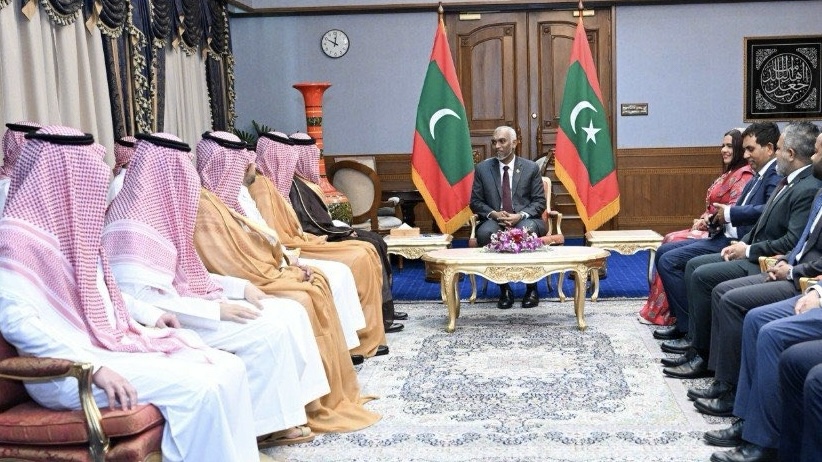
The Maldives has also signaled plans to introduce similar restrictions on children’s access to social media. Speaking at a press conference, President Mohamed Muizzu announced that his administration will work towards banning social media use by children under the age of 16, citing Australia’s approach as a model for the country.
According to Muizzu, the government intends to draft the necessary laws and regulations within this year and will engage with major social media companies to facilitate enforcement. He said the Maldives aims to adopt standards similar to those implemented in Australia, including age-based restrictions on account creation, describing the Australian measures as a positive benchmark for protecting young people online.
Support and Criticism
The Malaysian government says the aim is not to keep children away from the internet altogether, but to ensure they can use social media in a safer, age-appropriate environment.
However, human rights organizations have criticized the blanket restriction. A joint statement led by the UK-based organization ARTICLE 19 argued that children should not be excluded from the digital world and that governments should instead focus on creating safer online environments that protect children’s rights.
The groups also said that outright bans do not address the underlying problems in the business models of social media companies and are therefore not an effective long-term solution._AFP