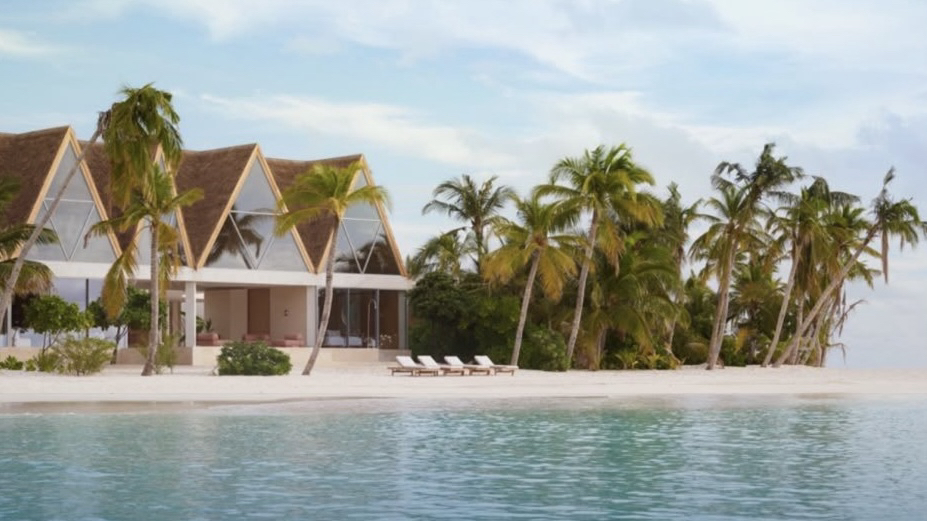


The government is moving to address up to USD 600 million in accumulated arrears linked to 161 islands and lagoons leased for tourism development but left undeveloped, with some projects stalled for as long as 25 years.
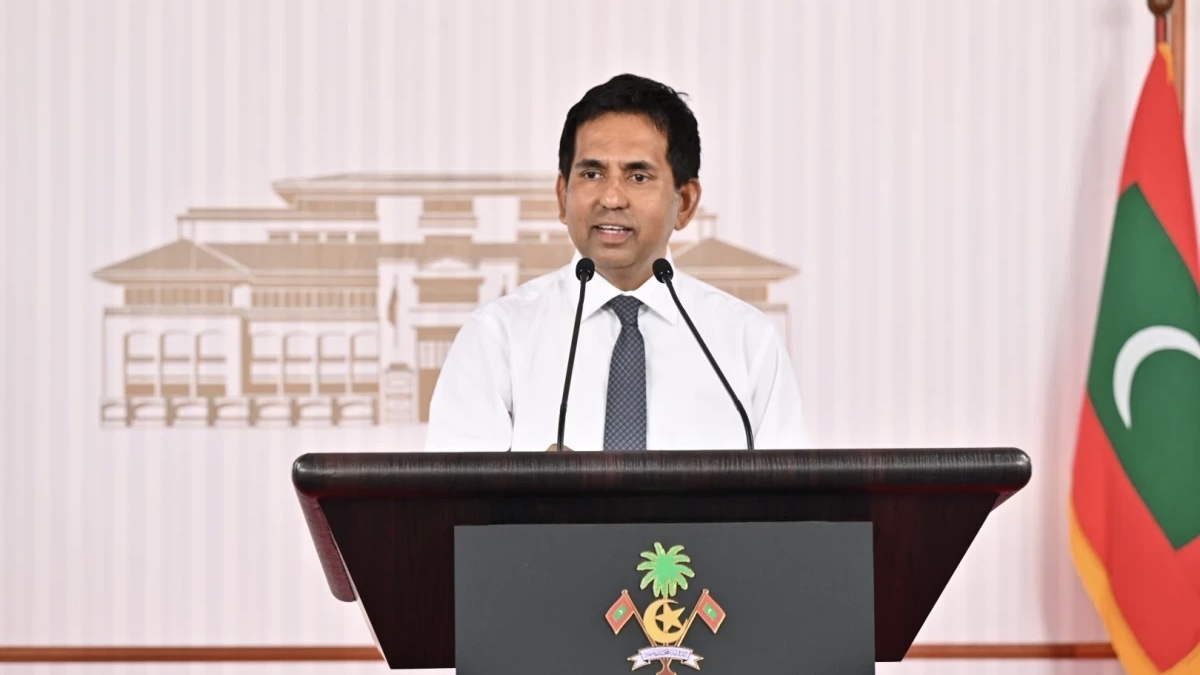
Tourism Minister Mohamed Ameen disclosed the figures during the “Ahaa” public forum, jointly organised by the President’s Office and Public Service Media (PSM), acknowledging that successive administrations had failed to take decisive action against developers who did not fulfil their obligations under lease agreements.
According to the Ministry of Tourism and Civil Aviation, repeated extensions of development deadlines and deferred land rent payments have contributed to accumulated state arrears estimated at USD 500 million to USD 600 million.
Ameen said the islands and lagoons were leased under agreements requiring developers to complete construction and open their resorts within specified timeframes. Delays have deprived the state of expected revenue and left valuable tourism assets unused.
The minister said legal obstacles and repeated extensions under previous administrations had made it difficult to terminate agreements with developers who failed to meet their obligations.
To address the issue, the ministry gazetted a new regulation on September 10 titled “Regulation on Granting Extensions for the Development of Unfinished Tourism Projects and Properties Closed for Redevelopment, and the Deferral of Rent and Fines.”
The regulation establishes four pathways for dealing with delayed tourism projects, setting conditions for extensions and rent and fine deferrals while providing mechanisms for terminating agreements where applicable.
Ameen said implementation of the new framework would begin this week, describing it as a significant step towards protecting public interests and addressing long-standing delays in tourism development.
The government’s move comes as the Maldives continues to rely heavily on tourism for economic activity and state revenue. Official figures show that 180 resorts are currently operational across the country, with a combined capacity of more than 45,000 beds.
The new framework is intended to address the backlog of stalled projects and enable the government to take action on leased islands and lagoons that have remained undeveloped despite agreements requiring their development.