

The Fulhadhoo Youth Development Association (FYDS), alongside a coalition of island authorities, civil society organizations, and international partners, has officially concluded its second major community-led cleanup and waste auditing drive. Held to commemorate World Cleanup Day 2026, the initiative targets the preservation of Baa Atoll’s world-renowned “Blue Lagoon” and its surrounding marine ecosystems.
A Collaborative Grassroots Initiative
The cleanup forms a core pillar of the broader project titled “Blue Lagoon of Fulhadhoo: Data-Driven Solutions for a Plastic-Free Island.” The multi-sector effort is funded through a powerful coalition including the Australian Government’s Direct Aid Program (DAP), Irish Aid, and the Maldives Pension Administration Office Corporate Social Responsibility (CSR) program.
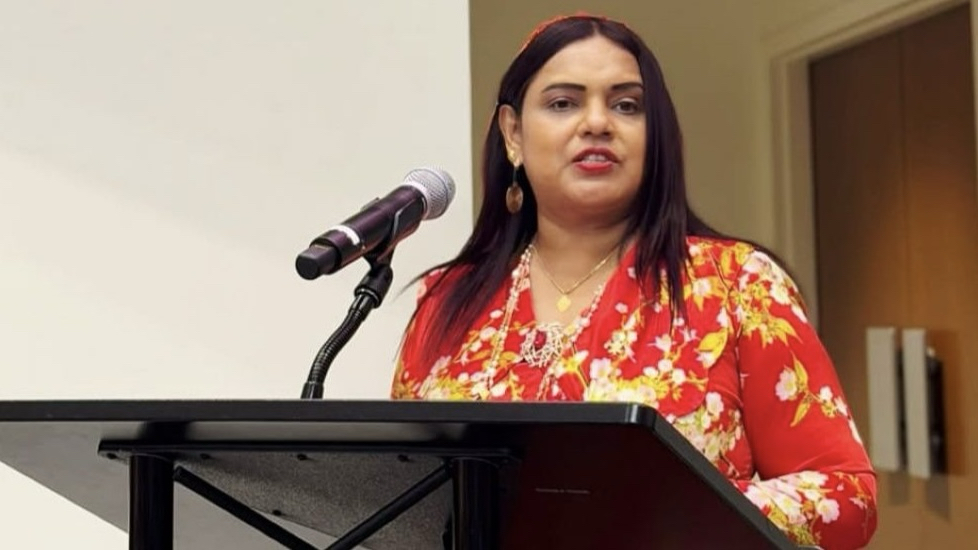
The concluding ceremony was graced by high-profile dignitaries, notably Dr. Paul Zeccola, Deputy High Commissioner of Australia to the Maldives. The initiative brought together a diverse group of stakeholders, including:
- Fulhadhoo Youth Development Association (FYDS)
- Secretariat of the South Maalhosmadulu Fulhadhoo Council and Women’s Development Committee (WDC)
- Local Tourism Association of Baa Fulhadhoo and Secret Paradise Maldives
- Maldives Ocean Plastics Alliance (MOPA) and Zero Waste Maldives
- Local institutional partners such as the Maldives Police Service (Baa Fulhadhoo Station), STELCO, Baa Fulhadhoo Health Centre, and Baa Fulhadhoo School & PTA
- Island guesthouses and local community residents
Expanding the Scope: Islands Cleaned
While the initial drive focused heavily on the main shores, this second cleanup expanded its geographical reach to tackle plastic accumulation in neighboring fragile zones. Volunteers successfully cleared marine debris from Innafushi, Bodaafushi, and Bodaafushi Irumathee Finolhu, all situated within the picturesque lagoon of Fulhadhoo.

Waste Audit Results: Plastic Dominates
Driven by strong community mobilization, 41 dedicated local volunteers—comprising 23 men, 15 women, and 3 children—surveyed vulnerable coastal strips and removed an impressive 229.51 kilograms of marine debris and refuse.
A rigorous scientific waste audit conducted during the event broke down the recovered material by composition:
- HDPE Plastic: 106.09 kg (46.2%)
- Glass Bottles & Jars: 77.05 kg (33.6%)
- PET Plastic: 32.28 kg (14.1%)
- Ghost Nets: 12.92 kg (5.6%)
- Aluminum & Tin: 1.17 kg (0.5%)
Plastics accounted for the vast majority of all recovered trash, with High-Density Polyethylene (HDPE) alone making up nearly half of the total weight collected.
Toward a Sustainable Framework
Emphasizing that “Plastic-Free Fulhadhoo” is designed to be much more than a single awareness event, FYDS noted that the initiative focuses on reforming local disposal behaviors, utilizing empirical data on waste streams, and cementing cross-sector alliances.
To close the loop, all collected plastics and recyclables are being processed through structured recycling streams, ensuring circular management and preventing them from ever re-entering the marine environment. Through these data-backed and community-led steps, Fulhadhoo continues to position itself as a shining benchmark for sustainable island tourism and environmental stewardship across the Maldives.