

A major multi-sector effort to tackle plastic pollution and improve local waste management has successfully concluded on the island of B. Fulhadhoo. The initiative, led by the Fulhadhoo Youth Development Society (FYDS) in collaboration with Australian Aid and the Maldives Ocean Plastics Alliance (MOPA), brought together community members, local authorities, and international partners for a targeted environmental drive.
The initiative titled ‘Plastic-Free Fulhadhoo’ was made possible through funding from the Australian Government’s Direct Aid Program (DAP). Its primary mission focused on mitigating plastic waste accumulation surrounding Fulhadhoo’s world-renowned “Blue Lagoon” and safeguarding nearby coastal ecosystems vital to local biodiversity and eco-tourism.
High-Level Support and Multi-Sector Collaboration
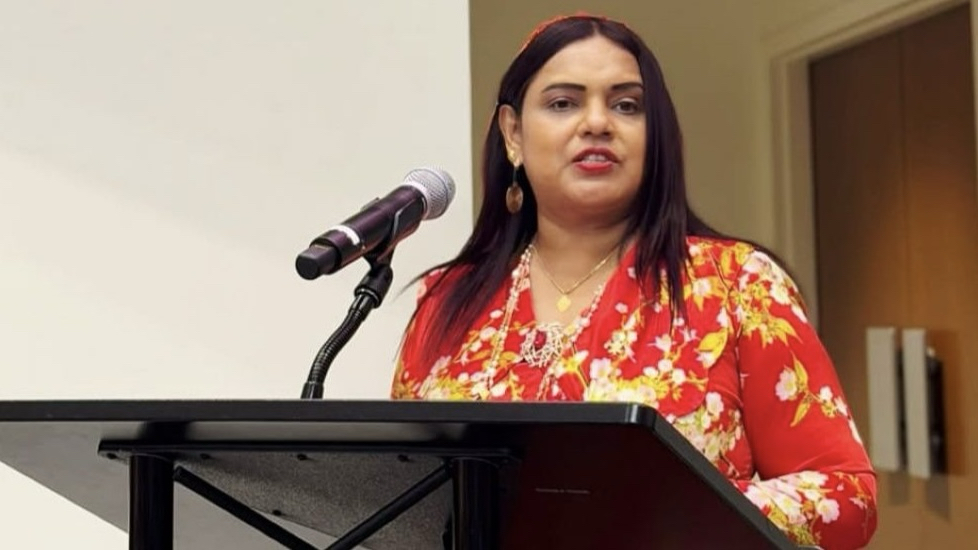
The concluding event saw participation from key dignitaries, including Dr. Paul Zeccola, Deputy High Commissioner of Australia to the Maldives, alongside delegates from partner organizations and local leadership.
The campaign demonstrated a broad coalition across civic, government, and non-profit sectors. Key participating organizations included:
- Fulhadhoo Youth Development Society (FYDS)
- Secretariat of the South Maalhosmadulu Fulhadhoo Council
- Fulhadhoo Women’s Development Committee (WDC)
- Local Tourism Association of Fulhadhoo
- Maldives Ocean Plastics Alliance (MOPA)
- Zero Waste Maldives
- Australian High Commission, Republic of Maldives

Grassroots Impact and Waste Audit
Beyond diplomatic and organizational representation, the heart of the campaign was driven by local volunteers who took to the beaches and coastal paths. A total of 41 community cleaners comprising 23 men, 15 women, and 3 children actively participated in the cleanup and auditing effort.
In total, participants collected 229.51 kilograms of waste from coastal areas. The waste audit revealed a significant presence of plastics and recyclables:
- HDPE Plastic: 106.09 kg (46.2%)
- Glass Bottles & Jars: 77.05 kg (33.6%)
- PET Plastic: 32.28 kg (14.1%)
- Ghost Nets: 12.92 kg (5.6%)
- Aluminium & Tin: 1.17 kg (0.5%)
Plastic accounted for the majority of collected debris, with high-density polyethylene (HDPE) forming nearly half of the total weight.
By targeting both local waste management practices and direct coastal cleanup, organizers hope the campaign serves as a lasting model for sustainable, community-led environmental preservation across the island nation.