



Johannesburg — South Africa remained on high alert on Tuesday after nationwide anti-immigration protests followed a controversial June 30 deadline set by activist groups demanding that undocumented migrants leave the country.
Thousands of demonstrators marched in cities including Durban, Johannesburg and Cape Town, calling for mass deportations and stricter border controls. The protests came after weeks of rising tensions, threats against foreign nationals and a growing campaign by groups such as March and March and Operation Dudula, which accuse illegal immigration of contributing to unemployment, crime and pressure on public services.
A heavy security presence prevented the widespread violence many had feared. Police and security forces were deployed across major provinces, including Gauteng, KwaZulu-Natal and the Western Cape, as authorities sought to prevent a repeat of previous xenophobic attacks that have scarred the country.
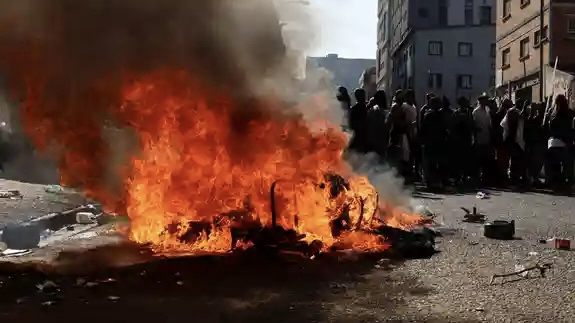
While most demonstrations remained peaceful, isolated incidents of unrest and criminal activity were reported, leading to hundreds of arrests. Officials said the feared nationwide shutdown and large-scale violence did not materialise, bringing temporary relief after weeks of uncertainty.
The South African government distanced itself from the June 30 ultimatum, emphasizing that immigration enforcement is the responsibility of the state. President Cyril Ramaphosa has repeatedly warned against vigilantism and urged citizens to respect the rule of law.
The weeks leading up to the deadline saw thousands of migrants seek safety or return to their home countries. Governments including Malawi, Zimbabwe, Mozambique, Nigeria and Ghana arranged repatriation efforts as fears of violence spread.
Human rights organisations reported that the unrest affected not only undocumented migrants but also refugees, asylum seekers and legally documented foreign residents. Many migrants abandoned homes, businesses and jobs after receiving threats or witnessing attacks on foreign-owned properties.
Several deaths linked to anti-foreigner violence were reported in the lead-up to the protests, while thousands of people were displaced from communities where tensions had escalated. In some areas, migrants were forced to sleep in temporary camps, open fields and outside government buildings while awaiting assistance.
Although the situation appeared largely under control by July 1, concerns remain over potential flare-ups. Organisers behind the protests have vowed to continue demonstrations in the coming weeks, insisting that the government must take stronger action against illegal immigration.
South Africa, home to millions of foreign nationals, has experienced repeated waves of xenophobic violence over the past two decades. Analysts say economic hardship, high unemployment, inequality and frustrations over public services continue to fuel anti-immigrant sentiment.
With the June 30 deadline now passed, attention is shifting to whether authorities can maintain stability while addressing the deep-rooted issues that continue to divide communities across the country.