




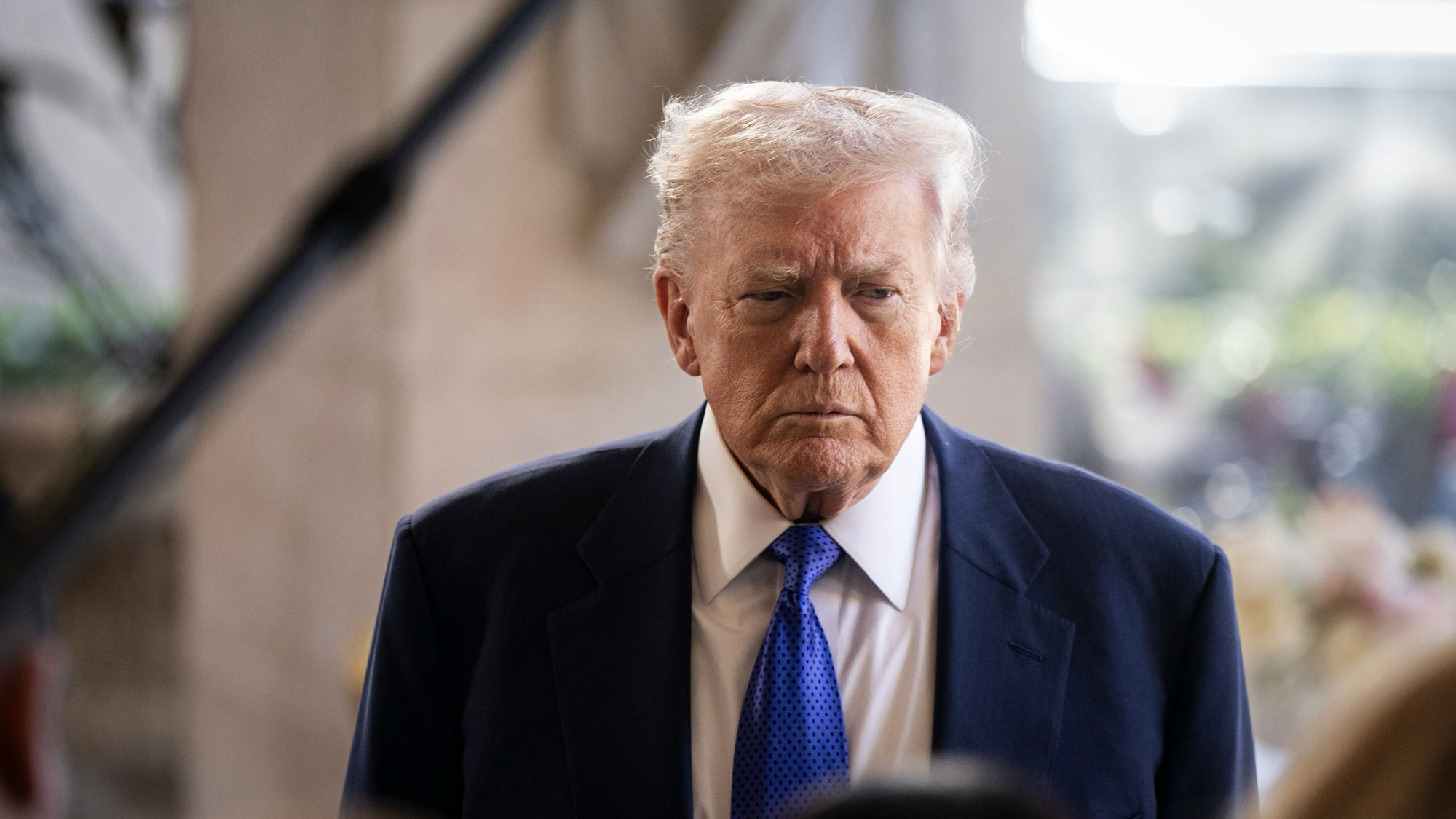
WASHINGTON, D.C. — The U.S. Supreme Court has struck down President Donald Trump’s executive order seeking to restrict birthright citizenship, delivering a major setback to one of the administration’s most significant immigration initiatives.
In a 6–3 decision issued on June 30, the nation’s highest court ruled that the order violated the Citizenship Clause of the 14th Amendment, which has long been understood to grant U.S. citizenship to nearly all individuals born on American soil.
Trump signed the executive order on his first day back in office, aiming to deny automatic citizenship to children born in the United States to undocumented migrants and certain temporary visa holders. The policy was immediately challenged in court and never took effect after being blocked by multiple lower courts.
Writing for the majority, Chief Justice John Roberts said that children born in the United States to parents who are unlawfully or temporarily present in the country remain “subject to the jurisdiction” of the United States and are therefore citizens at birth under the Constitution. The ruling reaffirmed more than a century of legal precedent, including the landmark 1898 case United States v. Wong Kim Ark, which established the modern interpretation of birthright citizenship.
A part of the Court’s Judgment:

The court’s majority included Roberts and the three liberal justices, joined by conservative Justices Amy Coney Barrett and Brett Kavanaugh. While Kavanaugh agreed that the executive order could not stand, he argued that it conflicted with federal law rather than the Constitution itself. Justices Clarence Thomas, Samuel Alito and Neil Gorsuch dissented.
The decision preserves the citizenship rights of hundreds of thousands of children born in the United States each year and reinforces the long-standing principle that constitutional guarantees cannot be altered through executive action alone. Legal experts say any attempt to change birthright citizenship would likely require a constitutional amendment or major congressional action rather than a presidential order.
A Summary of the Court’s Decision:

The ruling represents one of the most significant constitutional and immigration decisions of Trump’s second term and is expected to shape debates over citizenship, immigration and executive power for years to come. Civil rights advocates welcomed the judgment as a reaffirmation of the Constitution, while Trump called for lawmakers to pursue legislative alternatives following the court’s rejection of his policy.