


Iran has signaled that it may seek to make an end to the war in Gaza a condition in its ongoing negotiations with the United States, as Tehran expands its efforts to halt what it describes as Israel’s campaign against the Palestinian population in Gaza.
Following several rounds of talks between Tehran and Washington, U.S. President Donald Trump and Iranian President Masoud Pezeshkian reportedly reached a preliminary understanding on June 17 aimed at ending the conflict that began with U.S.-led actions against Iran. Political analysts have described the development as a significant diplomatic success for Tehran.
Iranian Deputy Foreign Minister Saeed Khatibzadeh said Tehran is using its negotiations with Washington to push for an end to what it calls Israeli violations and humanitarian abuses across the Middle East, while also working toward broader regional stability and peace. According to Iranian officials, the agreement already includes provisions aimed at ending Israeli military operations in Lebanon, with a ceasefire reportedly taking effect on June 19.
Khatibzadeh stated that Iran’s objective is to safeguard the interests of all countries in the region and help establish lasting peace. However, Iranian officials have also warned that continued Israeli military actions could further destabilize the region.
Meanwhile, Islamic Revolutionary Guard Corps Quds Force commander Esmail Qaani said the military capabilities of Hezbollah should not be underestimated. He argued that Gaza could witness a situation similar to the major confrontations seen elsewhere in the region and warned that Israel could face serious consequences if it continues following the policies of its current leadership.
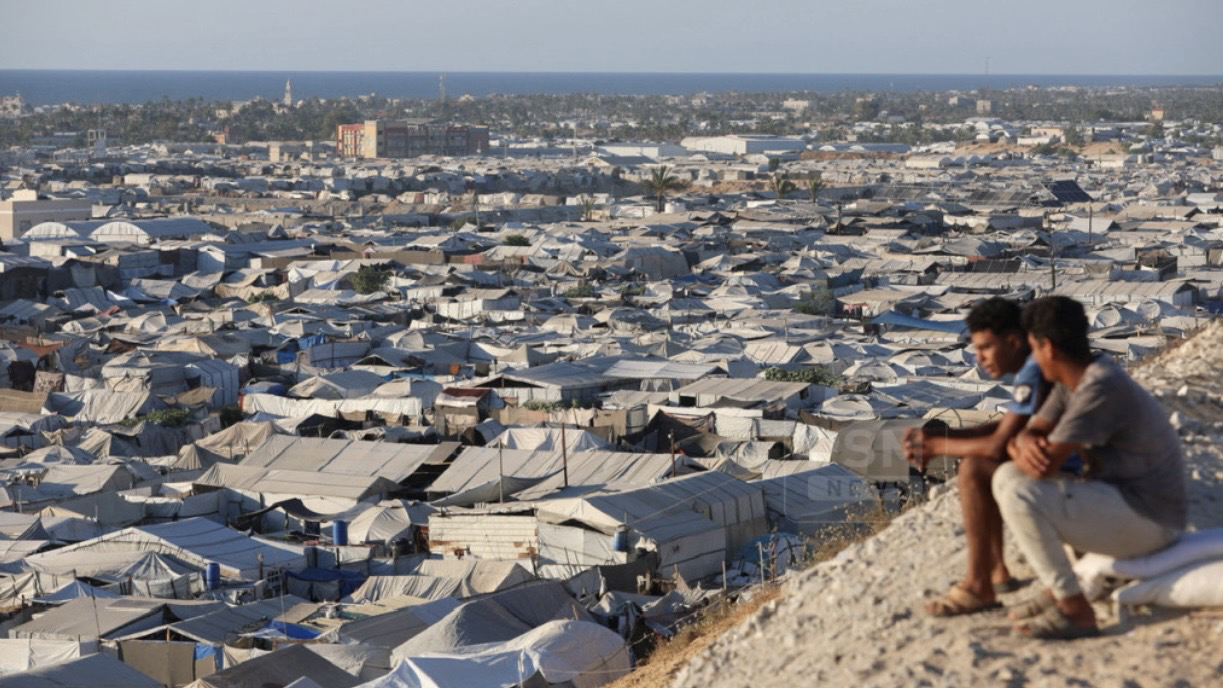
While the reported Tehran–Washington understanding includes provisions related to ending hostilities in Lebanon, it does not currently address Gaza. Since the conflict began in October 2023, tens of thousands of Palestinians have been killed, and Iran has now hinted that future negotiations could include a demand for ending the war in Gaza as a formal condition.
Much of Gaza remains under Israeli military control. Reports cited in the article claim that more than 1,000 people have been killed in Gaza since a previous pause in fighting ended, while dozens have also been killed in Lebanon following ceasefire agreements there. According to the report, these developments have become a growing point of discussion in Tehran–Washington negotiations and could influence the future direction of any broader agreement.