


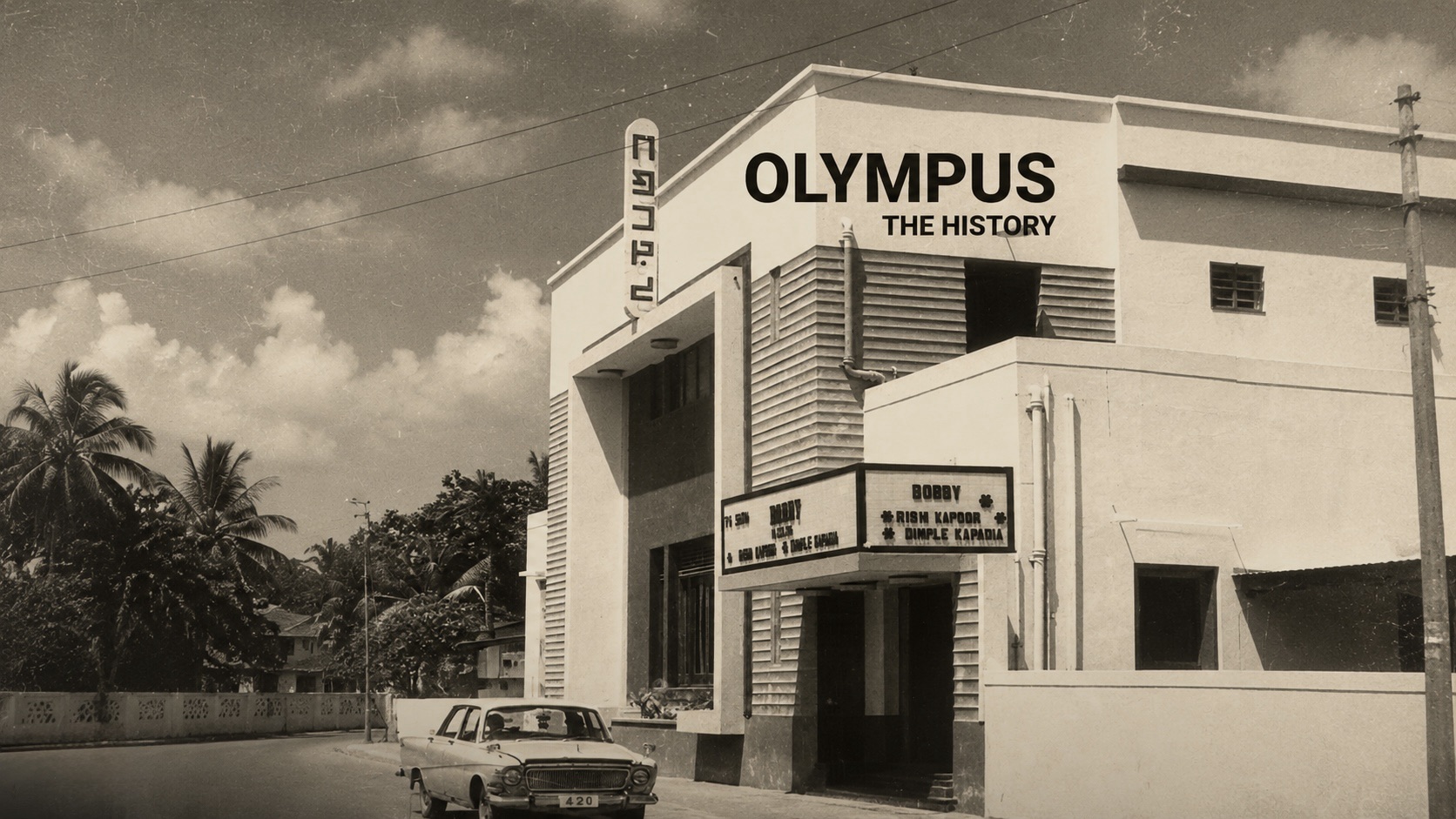
The Maldivian film industry, often referred to as Dhivehi cinema, is a young and relatively small film sector based primarily in Malé, the capital of the Maldives. Operating in one of the world’s most geographically dispersed and tourism-dependent nations, it has grown from modest beginnings in the late 1970s into a melodramatic and increasingly experimental industry that reflects both local culture and global influences. While constrained by limited resources, infrastructure, and audience size, it has produced memorable stories and earned international recognition in recent years.5
Early Beginnings (1979–1990s)
Cinema arrived relatively late in the Maldives. Hindi films began screening in limited theaters in the late 1970s, sparking local interest. A group of enthusiasts attempted to create regional content, starting with a song sequence “Noorey Vidhee Moonun Roashan Ujaala” featuring Hassan Afeef, but initial efforts faced severe challenges in funding and equipment.36
The first proper Maldivian feature film, Thin Fiyavalhu (1982), directed under the guidance of then-Minister of Health Musthafa Hussain, marked a breakthrough. Starring Hassan Afeef, it told a simple romantic story of a girl from an island moving to Malé. This success paved the way for more releases, including Copy. Early productions were often supported by state entities like Television Maldives.30
The 1980s and 1990s saw heavy Bollywood influence in style, music, and storytelling, with many films featuring song-and-dance sequences, love triangles, and family dramas. Key releases included Mohamed Niyaz’s Dheriyaa (1994), which won multiple Gaumee Film Awards, and Easa Shareef’s horror hit Fathis Handhuvaru (1996), one of the most successful Maldivian films of its era. Popular actors included Reeko Moosa Manik, Ali Shameel, and actresses like Aishath Shiranee. The Gaumee Film Awards, inaugurated in 1994, provided crucial recognition for artistic and technical excellence.36
The 2000s: Melodrama and Emerging Realism
The early 2000s continued the trend of Bollywood-inspired remakes, such as Hiyy Halaaku (unofficial remake of Kuch Kuch Hota Hai) and Hiiy Edhenee. Directors like Fathimath Nahula and Abdul Faththaah dominated with popular melodramas like Naaummeedhu, Zuleykha, and Yoosuf. Abdul Faththaah’s Hureemey Inthizaarugaa (2005) stood out as a romantic disaster film drawing from the 2004 Indian Ocean tsunami’s impact on the Maldives.36
A parallel movement toward more realistic, socially conscious cinema emerged with films like Moomin Fuad’s Heylaa (2006) and Happy Birthday (2009), which prioritized believable narratives and messages over commercial formulas, though they often struggled at the box office. Studios like Dark Rain Entertainment advanced technical quality, producing the first HD and 3D Maldivian films.11
2010s–Present: International Recognition and Challenges
The 2010s brought diversification. Films tackled social issues, such as child abuse in Yoosuf Shafeeu’s Veeraana and Heyonuvaane (domestic abuse). Horror and thrillers remained popular, with Ali Shifau’s Fathis Handhuvaruge Feshun 3D (2013) as the first 3D and prequel film.36
A landmark moment came with Ravee Farooq’s experimental suspense thriller Ingili (2013), which won the Best Feature Film Bronze Medal at the SAARC Film Festival—the first such international accolade for a Maldivian film. It also succeeded domestically. Other notable works include Ali Seezan’s Insaana (2014) and Farooq’s Vishka (2017). New talents like Mohamed Jumayyil, Aishath Rishmy, and Mariyam Majudha rose to prominence.6
Production remains low (around 4 feature films in 2018), but filmmakers experiment with themes, English elements, and bolder stories. Recent awards like the MSPA Film Awards highlight ongoing activity.39
Major Challenges
The industry faces significant hurdles:
- Infrastructure: Only one main government-run cinema in Malé for theatrical releases, limiting distribution. Private venues often prioritize international films.20
- Resources: Small talent pool, lack of studios and rehearsal spaces, budget constraints, and logistical difficulties importing equipment to islands.
- Market Size: A tiny domestic audience (under 400,000 people) makes profitability difficult. Many films rely on TV or streaming.
- Support: Limited government backing and opportunities for international festival submissions.36
Piracy and competition from Bollywood, Hollywood, and streaming services add pressure, though audiences increasingly seek original local content.
Despite challenges, the Maldivian film industry shows resilience and potential. Growing interest in independent and socially relevant stories, combined with improving technology and possible government or tourism-linked support (e.g., using the islands’ stunning locations), could help it expand. International co-productions, better copyright awareness, and digital distribution offer pathways forward. Filmmakers like Ravee Farooq emphasize human stories and innovation over recycled formulas.37
The Maldives’ unique culture—its island life, resilience against climate change, and blend of tradition and modernity—provides rich material for compelling cinema. As the industry matures, it has the opportunity to not only entertain locals but also showcase Maldivian perspectives to the world.
In conclusion, the Maldivian film industry is a testament to creativity thriving in adversity. From its melodramatic roots to experimental breakthroughs, it continues to evolve, promising a brighter future for Dhivehi storytelling in the global cinematic landscape.