

The Maldivian Rufiyaa has received an official place in the Unicode Standard, allowing the country’s new currency symbol to be used as a standardized digital character across websites, software and electronic devices.
The Unicode Consortium released Unicode Standard Version 18.0 on September 16, 2026, adding 13,007 new characters and bringing the total number of characters encoded in the standard to 172,808. Among the additions are three new currency symbols, including the official symbol for the Maldivian Rufiyaa.
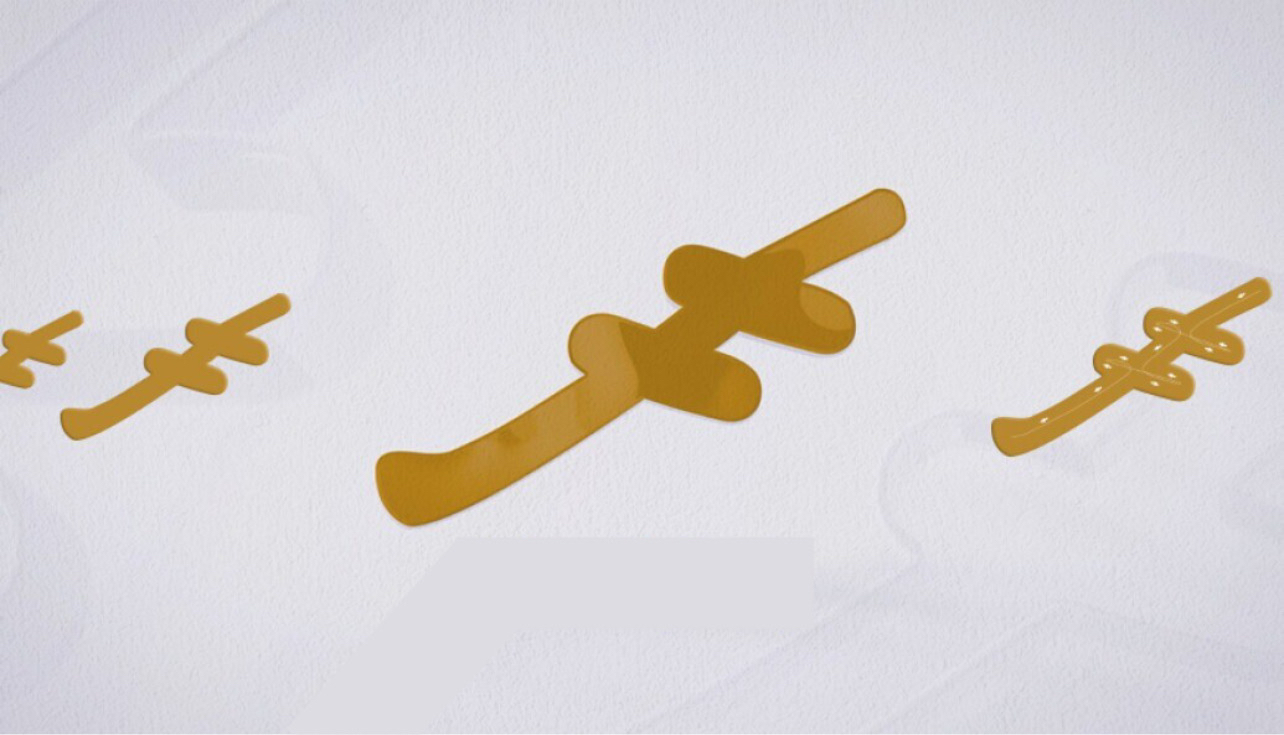
The Rufiyaa symbol has been assigned the code point U+20C2 and is officially named RUFIYAA SIGN. Its Unicode character is .
The same section of Unicode now includes U+20C3 UAE DIRHAM SIGN and U+20C4 OMANI RIAL SIGN. The Saudi Riyal symbol had already been added in Unicode 17.0 as U+20C1 (), meaning the four newly designed Gulf and Indian Ocean currency symbols now sit consecutively in the Unicode currency-symbol block.
The Maldivian symbol was created by the Maldives Monetary Authority in 2022, while a proposal to encode it in Unicode was submitted in May 2025. Unicode said the proposal came too late for Version 17.0, placing it in the group of currency symbols scheduled for Unicode 18.0.
The UAE Dirham and Omani Rial symbols followed a similar path. The UAE Central Bank announced its new symbol in March 2025, while the Central Bank of Oman announced its new Rial symbol in November 2025. Unicode subsequently approved all three symbols for Version 18.0.
The inclusion of the Rufiyaa symbol is significant because Unicode is the international standard that allows characters and symbols to be represented consistently in digital systems. Without a standardized code point, the new Rufiyaa design could not be reliably treated as an independent character across different websites, applications, operating systems and fonts.

However, the Unicode release does not mean the symbol will immediately appear on every device.
Unicode explained earlier this year that implementing a new currency symbol requires more than simply assigning a code point. Font developers need to add the character’s design, operating systems and applications may need updated font files, keyboards can require updates, and currency-formatting systems need to recognize the new symbol.
Unicode has also warned that support for newly encoded currency symbols can take many months or even years to become widespread. The Consortium said the process typically takes at least a year and often longer from the creation and encoding of a new symbol to broad vendor support.
For the Rufiyaa, this means that iPhone and Android users should not expect the symbol to automatically appear immediately following the Unicode 18.0 release. Apple and Google, as well as individual font and software developers, must separately implement the character.
There is already evidence that this work is beginning. A request opened for Google’s Noto font family calls for the addition of the Saudi Riyal, Rufiyaa, UAE Dirham and Omani Rial symbols to Noto Sans, Noto Serif and Noto Mono.
Unicode also says the new currency symbols will initially be included in CLDR as alternative symbols, rather than immediately becoming the default currency symbols. CLDR provides localization and currency-formatting information used by many software systems. The symbols can later become default representations once support becomes sufficiently widespread.
As a result, the Rufiyaa symbol could begin appearing in updated fonts, websites and applications before it becomes universally available through the standard keyboards and system fonts of iPhones and Android devices.
The Unicode 18.0 release therefore marks an important milestone for the Maldivian currency. The Rufiyaa now has an internationally standardized digital character, but the next stage will depend on Apple, Google, font developers, software companies and other technology providers adopting it.
For now, is officially the Unicode Rufiyaa Sign U+20C2.