

The Maldivian tourism sector continues to break historical benchmarks while systematically reshaping its infrastructure, sustainability practices, and market positioning. Pushing far beyond its legacy image as exclusively a honeymoon paradise, the island nation is experiencing a dynamic phase of expansion and policy refinement.
Historic Economic Benchmarks and Arrival Surges
Following a record-breaking performance that crossed over 2.24 million international visitors and generated more than $5.4 billion in travel receipts, the nation’s tourism footprint remains on a steep upward trajectory. Arrival growth is anchored primarily by key source markets including China, Russia, the UK, Germany, and Italy, alongside rapidly accelerating demand from India and Saudi Arabia. With active resort capacity surpassing 178 properties and offering over 67,000 total beds, industry officials are setting their sights on even higher targets for the coming year.
Major Infrastructure Upgrades: Aviation and Regional Access
The transformation of the national aviation landscape is the core operational engine enabling this rapid expansion. At the center of this strategy is the opening and full integration of the new international terminal at Velana International Airport (VIA). The upgraded facility dramatically increases passenger throughput capacity, reduces ground delays, and elevates the arrival experience for foreign travelers.
To further support this growth, Maldivian, the national carrier, has expanded its wide-body aircraft fleet to operate non-stop long-haul direct flights connecting the archipelago to key European and Asian urban hubs. Furthermore, to prevent over-concentration in the Central Atolls, the government has launched targeted development packages for under-touristered outer regions, offering tax incentives to operators willing to build remote, eco-friendly retreats in northern and southern atolls.
Diversification Beyond the Traditional Luxury Resort
While private island resorts still capture nearly three-quarters of all overnight tourists, the Maldivian travel market is rapidly broadening into new experiential verticals:
- Local Guesthouse Growth: Island guesthouses across inhabited local islands such as Maafushi, Dharavandhoo, and Thulusdhoo have expanded capacity, providing budget-conscious travelers and culture-focused visitors authentic exposure to Maldivian daily life.
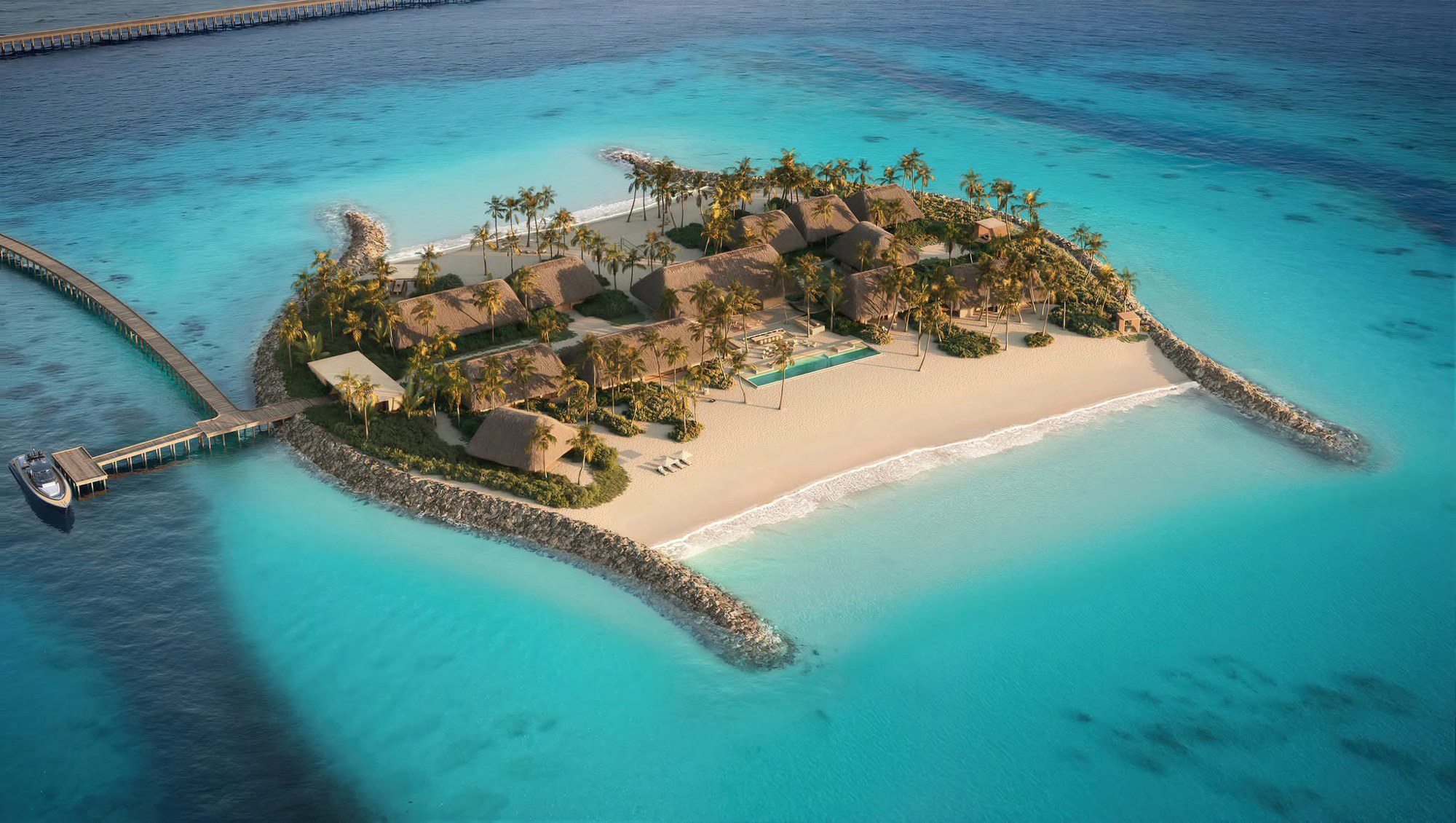
- Niche Luxury and Marine Tourism: Destination marketers are targeting ultra-high-net-worth individuals through specialized super-yacht campaigns, expanding deep-water moorings and luxury marina facilities across private developments.
- Regenerative and Wellness Travel: Luxury resorts are moving beyond traditional spa treatments to introduce marine conservation retreats, coral reef restoration stays led by resident marine biologists, and medical-grade longevity programs.
Sustainability Mandates and Fiscal Realities
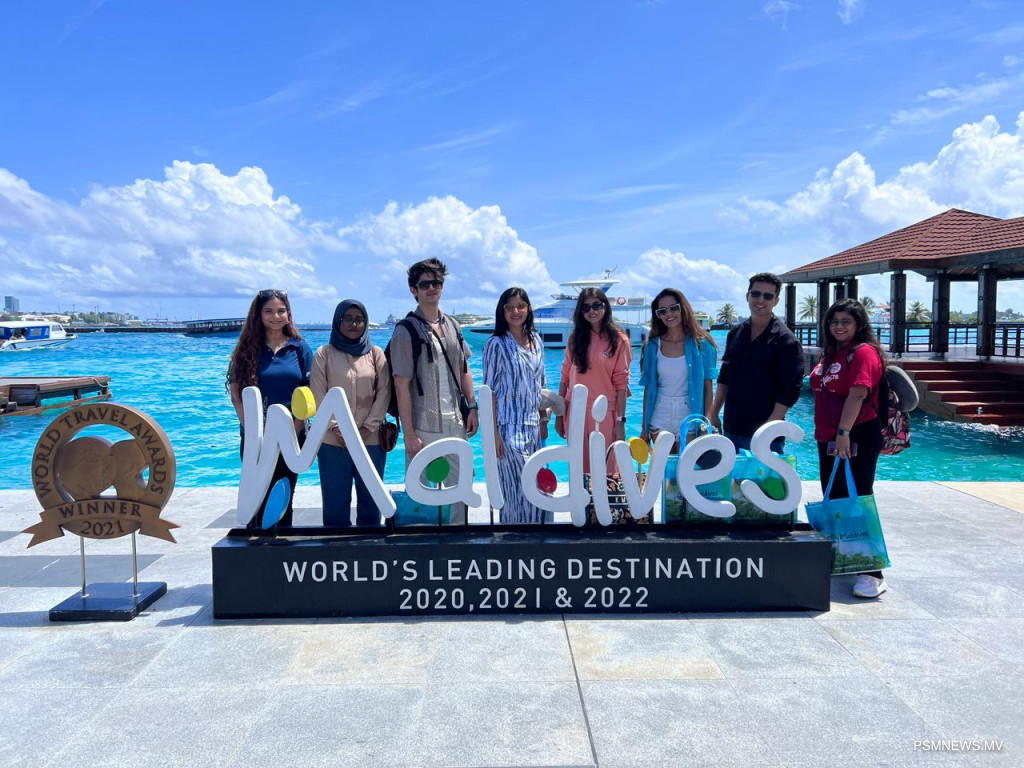
As the Maldives continues to earn global accolades—including retaining top honors as a leading green destination at international travel awards—the nation is pairing its sustainability push with fiscal policy adjustments. Resort operators are increasingly required to transition toward floating solar arrays and off-grid battery storage to reduce reliance on diesel generators.
Simultaneously, government reforms have updated the Tourism Goods and Services Tax (TGST) structures and green levies to ensure that the economic windfall from tourism directly funds climate adaptation and local waste management projects. By balancing high-end luxury, local island integration, and environmental protection, the Maldives is cementing its position as a global leader in modern sustainable tourism.