



Iran has denied reports that it has asked to resume peace negotiations with the United States, insisting that Tehran has made no request to restart talks despite growing international efforts to reduce tensions following several days of military exchanges.
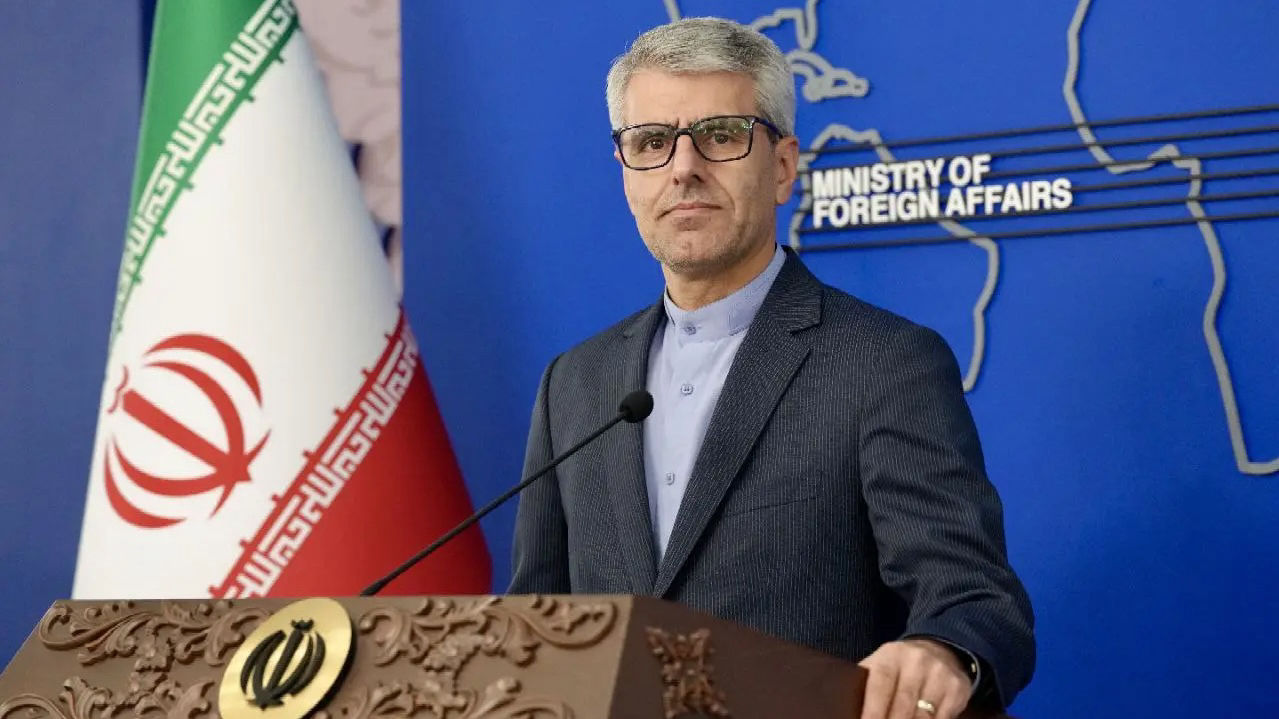
Speaking at a press conference, Iranian Foreign Ministry spokesman Esmaeil Baghaei dismissed claims that Tehran had sought renewed negotiations with Washington, saying Iran had not submitted any proposal for talks. He warned that if the United States violates the interim peace agreement reached between the two countries, Iran would respond accordingly. Baghaei added that Iran’s policy remains based on mutual adherence to commitments and that any future progress depends on both sides honoring their obligations.
Baghaei said Iran continues to act “responsibly” and revealed that Iranian officials recently held discussions with a Qatari delegation in Mashhad on efforts to advance diplomatic contacts. However, he accused Washington of failing to uphold its commitments under the ceasefire framework by imposing further restrictions on Iran’s oil exports and maintaining economic pressure. He also rejected US demands for access to Iran’s nuclear facilities, arguing there was no legal basis for such inspections.
The spokesman also said recent discussions at the UN Security Council on Iran’s nuclear programme produced no meaningful outcome, accusing the United States, Britain and France of using the issue for political purposes rather than genuine diplomacy.
Meanwhile, Iranian Foreign Minister Abbas Araghchi travelled to Oman on Friday for talks focused on security in the Strait of Hormuz, where recent attacks on commercial shipping have sharply increased regional tensions. Oman has continued to play a key mediating role between Tehran and Washington.
The diplomatic dispute comes after several days of intense military confrontation between Iran and the United States. On July 9, the US launched large-scale strikes against more than 80 military targets in southern Iran, saying the operation was carried out in retaliation for attacks on commercial vessels transiting the Strait of Hormuz. Iran later responded with missile and drone strikes targeting US military facilities in Bahrain, Kuwait, Qatar and Jordan, while also claiming to have shot down an American MQ-9 Reaper drone over Bushehr Province.
The United States has since demanded that Iran publicly commit to ending attacks on commercial shipping and guarantee safe passage through the Strait of Hormuz before any further progress can be made in diplomatic negotiations. President Donald Trump has said contacts between the two sides continue through regional mediators but stressed that the previous ceasefire is effectively over. Tehran, however, maintains that it has not requested new talks with Washington and insists that any future negotiations will depend on the United States first complying with its existing commitments.