



Tensions between the United States and Iran remain high following the death of Iran’s Supreme Leader Ayatollah Ali Khamenei, with Tehran vowing retaliation even as regional and international efforts continue to prevent further escalation.
Iran’s leadership has projected a message of defiance in the days following Khamenei’s death. The country’s new Supreme Leader has declared that revenge for Khamenei and those killed during the recent US and Israeli military campaign is inevitable, insisting that Iran’s position will not change regardless of who occupies political office.
The statements have cast further doubt over the possibility of renewed negotiations between Washington and Tehran. While US officials have indicated that another round of talks could take place soon, Iranian officials have publicly rejected those claims.
Iranian Foreign Ministry spokesman Esmail Baghaei denied reports suggesting that Tehran had requested the resumption of negotiations, highlighting the gap between the two sides’ public messaging.
Despite the uncertainty, diplomatic efforts have continued through regional mediators, with the Strait of Hormuz remaining at the centre of discussions due to its importance to global energy supplies and international shipping.
Iranian Foreign Minister Abbas Araghchi travelled to Oman on Saturday, where he met Omani Foreign Minister Badr al-Busaidi in Muscat. According to Iranian officials, the ministers discussed bilateral relations and regional developments, with particular focus on ensuring the safe passage of commercial vessels through the Strait of Hormuz.
The discussions reportedly explored mechanisms to guarantee maritime security under the framework of the recently announced US-Iran memorandum of understanding.
Regional diplomacy has also intensified. Qatar’s Prime Minister and Foreign Minister Sheikh Mohammed bin Abdulrahman bin Jassim Al Thani held a telephone conversation with Jordanian Deputy Prime Minister and Foreign Minister Ayman Safadi to discuss the growing tensions between Washington and Tehran.
According to Qatar’s Foreign Ministry, both sides stressed the importance of diplomacy and de-escalation while calling for the implementation of the US-Iran memorandum of understanding and the protection of freedom of navigation through the Strait of Hormuz.
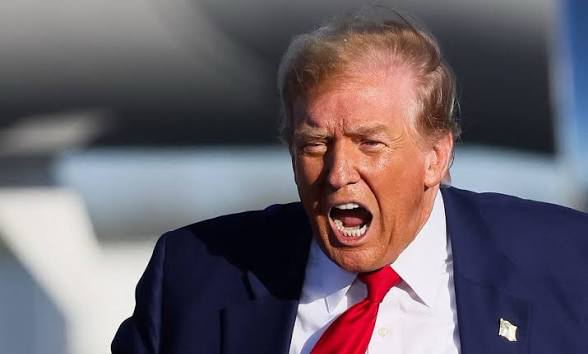
Adding to the already tense atmosphere, US President Donald Trump issued a strongly worded statement on his Truth Social platform earlier on Saturday.
Trump warned that “1000 missiles are locked and loaded” against Iran and threatened a large-scale military response if Tehran or its affiliates attempted to assassinate him. He claimed that orders had already been issued and that the US military stood ready to launch operations capable of “completely decimating and destroying all areas of Iran” for up to one year if necessary.
The exchange of threats comes as both sides continue to send conflicting signals—combining military warnings with ongoing diplomatic contacts through regional intermediaries. While discussions aimed at maintaining stability in the Strait of Hormuz continue, the rhetoric from both Washington and Tehran has raised fresh concerns over the prospects for renewed negotiations and the risk of further escalation across the Middle East.