

U.S. officials feared that Israel could target senior Iranian officials involved in negotiations aimed at ending hostilities between Washington and Tehran, according to a report published by The New York Times.
The report said concerns within the administration of U.S. President Donald Trump grew as Israel intensified its campaign against Iran’s leadership. American officials reportedly worried that any attempt to assassinate key Iranian negotiators could derail diplomatic efforts and trigger a broader regional conflict.
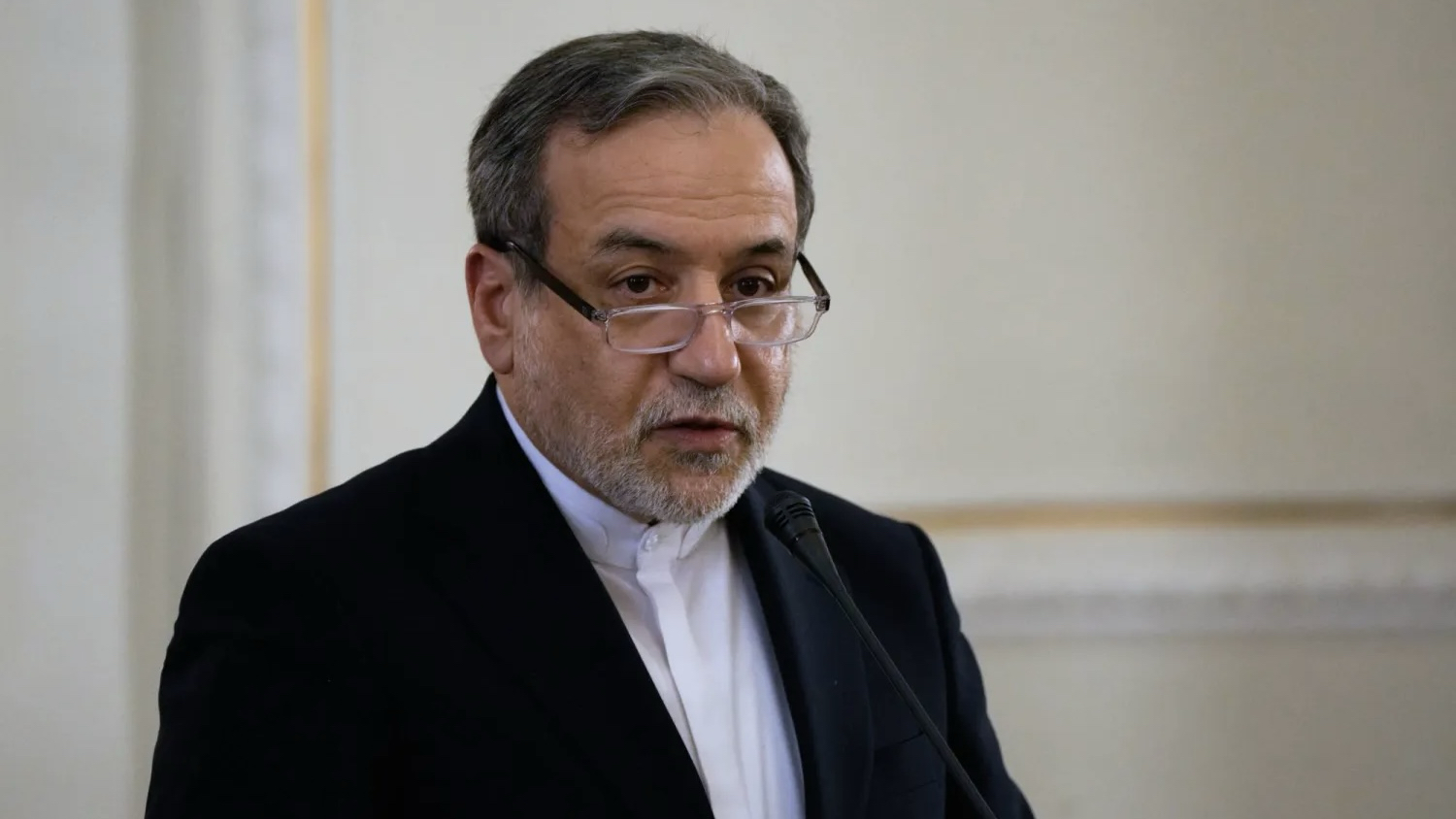
Among those believed to be at risk were Iranian Foreign Minister Abbas Araghchi and Parliament Speaker Mohammad Bagher Ghalibaf, both of whom played roles in discussions related to a potential ceasefire and diplomatic settlement.
According to the report, the United States took the unusual step of using regional intermediaries to warn Tehran about possible threats to officials participating in the negotiations. Washington reportedly feared that the deaths of senior Iranian negotiators could collapse ongoing diplomatic efforts and jeopardize prospects for a wider agreement.
One of the most serious incidents allegedly involved Ghalibaf after a meeting with U.S. Vice President JD Vance in Islamabad. Intelligence reportedly indicated that Israeli fighter jets had entered Iranian airspace and could be preparing to target the aircraft carrying the Iranian official. The flight was subsequently diverted to Mashhad, after which members of the delegation continued their journey to Tehran by road.
Reports also noted that security concerns surrounding Iranian negotiators became unusually high during the talks. Ghalibaf had previously survived multiple alleged assassination attempts, including incidents linked to the conflict between Israel and Iran.
Despite the threats, Iranian officials continued diplomatic engagements abroad, holding additional meetings in Qatar and Switzerland.
In comments published after the report, Araghchi said reports of threats against Iranian negotiators were accurate and confirmed that Tehran had received warnings through intermediary channels. His remarks marked one of the strongest public acknowledgements by an Iranian official regarding the alleged risks faced by members of the negotiating team.
However, while U.S. officials reportedly believed there was a credible threat against the negotiators, no public evidence has been released showing that Israel formally authorized or carried out an assassination operation. The allegations are based on intelligence assessments and concerns described by American officials rather than a publicly confirmed Israeli plan.
The revelations highlight the fragile nature of the diplomacy that unfolded alongside the conflict, with negotiators reportedly working under the threat of potential attacks while efforts to secure a ceasefire continued.