

Burkina Faso is embarking on one of the most ambitious development programmes in its history, with authorities seeking to transform the country’s economy through major investments in infrastructure, industry, energy and agriculture as part of a five-year national plan worth approximately $64 billion.
The West African nation launched its National Development Plan (NDP) for 2026–2030 earlier this year, outlining a vision aimed at accelerating economic growth, reducing poverty and strengthening self-sufficiency while relying largely on domestic resources rather than external funding.
Officials say nearly two-thirds of the funding will be raised locally through revenues generated by state-owned enterprises and citizen shareholding initiatives, reflecting a broader push towards economic sovereignty.
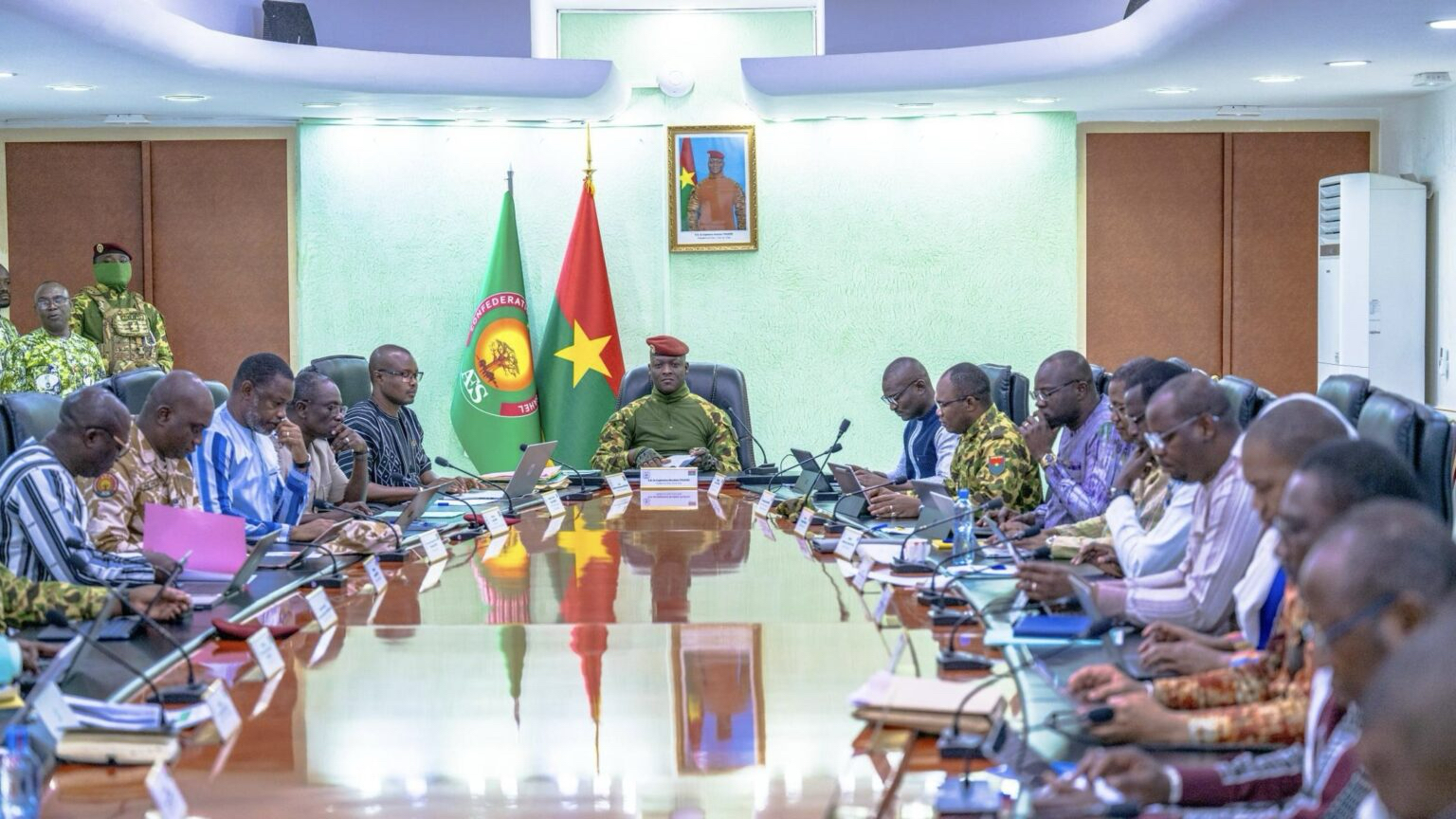
“We can sustainably transform our economy and improve the lives of our people using our own resources,” Finance Minister Aboubakar Nacanabo said while presenting the plan.
The programme sets out several key targets by 2030, including reducing the national poverty rate from 42 per cent to 35 per cent, increasing life expectancy from 61 to 68 years, and expanding electricity generation capacity from 685 megawatts to more than 2,500 megawatts.
A major focus of the strategy is industrialisation. Authorities are seeking to move beyond the export of raw materials by developing local processing industries capable of adding value to the country’s natural resources, particularly gold, which remains Burkina Faso’s largest export.
Recent efforts to increase state participation in the mining sector have coincided with rising global gold prices, helping boost government revenues and strengthen public finances. Officials say those resources will be redirected towards strategic development projects and industrial expansion.
Infrastructure development is also expected to play a central role in the country’s transformation plans. Large-scale road projects, urban modernisation initiatives and transport upgrades are being pursued to improve connectivity and support economic activity.
Among the most notable projects is the planned Ouagadougou–Bobo-Dioulasso Expressway, which aims to improve links between the country’s two largest cities and facilitate trade and investment.
The government is also investing heavily in energy infrastructure, viewing reliable electricity supply as essential for industrial growth and economic diversification. If achieved, the planned increase in power generation capacity would represent one of the most significant energy expansions in the region.
Agriculture remains another priority sector. Authorities have repeatedly emphasised the goal of strengthening food security and reducing dependence on imports through increased domestic production and modern farming techniques.
The development drive comes as Burkina Faso continues efforts to improve security across the country. Officials say restoring state authority in areas previously affected by armed insurgencies remains essential for unlocking economic potential and attracting investment.
At the same time, the country has been strengthening ties with regional partners through the Alliance of Sahel States, alongside Mali and Niger, while expanding cooperation with countries including Russia and China as part of a broader shift in foreign policy and economic partnerships.
Analysts say challenges remain, including security concerns, financing requirements and the need to sustain economic reforms. However, supporters argue that the scale of the programme reflects growing confidence in Burkina Faso’s ability to pursue a development model centred on self-reliance and domestic resource mobilisation.
If successfully implemented, the plan could reshape one of the Sahel’s poorest nations and position Burkina Faso as a notable example of economic transformation in the region over the coming decade.