




BÜRGENSTOCK, Switzerland — June 22, 2026
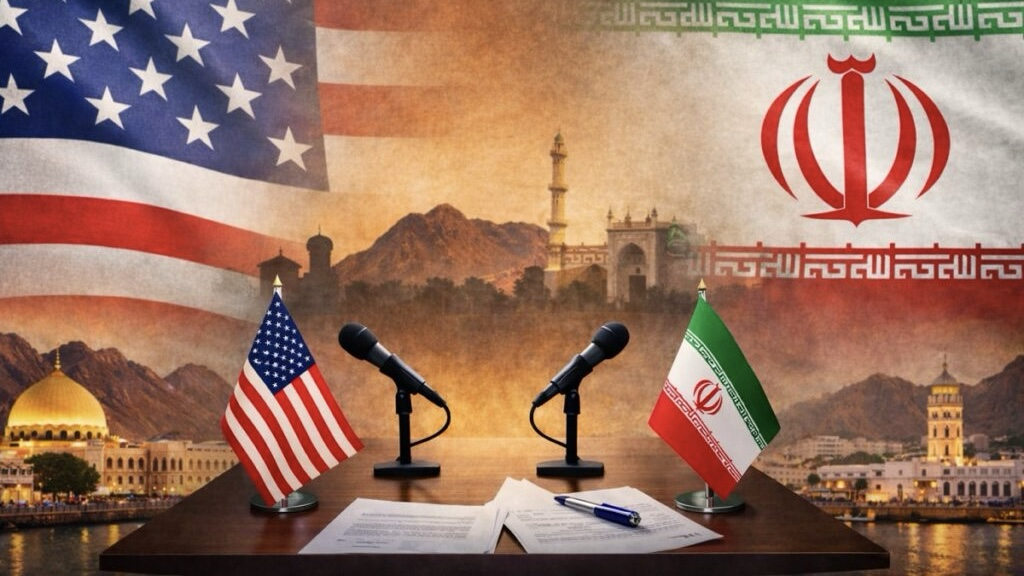
The first round of high-level negotiations between the United States and Iran concluded in Switzerland with what mediators described as “encouraging progress”, despite tensions caused by renewed Israeli military operations in Lebanon and public threats issued by U.S. President Donald Trump during the talks.
The negotiations, held near Lake Lucerne, followed the signing of a 14-point memorandum of understanding (MoU) on June 17 by U.S. President Donald Trump and Iranian President Masoud Pezeshkian. The agreement established a 60-day framework aimed at reducing regional tensions, addressing Iran’s nuclear programme, easing sanctions, ensuring security in the Strait of Hormuz and promoting a ceasefire in Lebanon.
Qatar and Pakistan, which played key roles in mediating the agreement, announced that both sides had agreed on a roadmap toward reaching a final deal within 60 days.
Tensions Before Talks
The talks took place against a backdrop of escalating regional tensions.
In the days leading up to the negotiations, heavy fighting erupted between Israel and Hezbollah in southern Lebanon and the Bekaa Valley. Israeli air strikes and Hezbollah attacks resulted in casualties on both sides, threatening the implementation of the June 17 memorandum.
Iran accused Israel of violating the ceasefire provisions outlined in the agreement and responded by announcing a renewed closure of the Strait of Hormuz, one of the world’s most important energy shipping routes. The move raised fears of a global energy crisis, although maritime traffic through the strait continued at reduced levels.
The developments forced the postponement of initial technical discussions and increased pressure on mediators to prevent the broader diplomatic effort from collapsing.
Trump Threats Trigger Iranian Walkout
The most dramatic moment of the negotiations came after President Trump issued a series of aggressive public statements regarding Iran and the Strait of Hormuz.
Trump warned that the United States could use military force if Iran kept the strait closed and suggested Washington might take direct control of the waterway. In separate remarks, he also made comments that Iranian officials interpreted as threats against members of their negotiating team.
The statements sparked anger among Iranian delegates, who argued that such rhetoric violated the spirit of the recently signed memorandum and endangered the safety of negotiators.
Iranian representatives briefly walked out of the talks in protest, prompting an emergency mediation effort by Qatar and Pakistan. Negotiations continued behind the scenes before Iranian officials eventually returned to the table.
Iranian chief negotiator Mohammad Bagher Ghalibaf dismissed the threats, saying Tehran would not be intimidated by Washington’s rhetoric.
Despite the disruption, both sides agreed to continue discussions, with the high-level session eventually concluding in the early hours of June 22.
Key Outcomes of the Talks
Roadmap Toward a Final Agreement
The most significant achievement was the establishment of a High-Level Committee that will oversee implementation of the memorandum and guide negotiations toward a final agreement within 60 days.
Working groups were created to focus on:
- Nuclear issues
- Sanctions relief
- Monitoring and dispute resolution
- Regional security matters
Technical negotiations are expected to continue throughout the coming weeks in Switzerland.
Direct Communication Channels
The United States and Iran agreed to establish a direct communication line concerning the Strait of Hormuz.
The mechanism is intended to prevent misunderstandings, reduce the risk of military incidents and ensure the safe passage of commercial vessels through the strategic waterway.
American officials also announced plans for coordination mechanisms related to maritime security and de-mining operations in the Gulf.
Lebanon “De-Confliction Cell”
One of the most notable outcomes was the creation of a de-confliction cell focused on Lebanon.
The mechanism is designed to help enforce the cessation of military operations and reduce the risk of escalation between Israel and Hezbollah.
Iranian Foreign Minister Abbas Araghchi described the Lebanon arrangement as a major breakthrough but cautioned that its effectiveness would be the first real test of the broader agreement.
The initiative comes as Israel insists it will maintain a security zone inside southern Lebanon for as long as it considers necessary, while Iranian officials and Hezbollah allies continue to oppose Israel’s military presence.
Sanctions Relief and Economically Measures
Iranian officials stated that Washington agreed to several economic concessions, including:
- A 60-day waiver on sanctions targeting Iranian oil exports
- Easing restrictions on petrochemical sales
- Partial release of frozen Iranian assets
- Launch of reconstruction and development initiatives
The United States has not publicly confirmed every aspect of Iran’s claims but acknowledged that economic measures were discussed as part of the broader framework.
Vice President JD Vance said any released Iranian funds should be directed toward economic development and agricultural purchases rather than military activities.
Nuclear Programme Remains Central Issue
The future of Iran’s nuclear programme remains one of the most difficult issues facing negotiators.
According to Vance, Iran agreed to allow inspectors from the International Atomic Energy Agency (IAEA) to return, a move Washington described as a major milestone.
However, several critical questions remain unresolved:
- Whether Iran can continue uranium enrichment
- The fate of Iran’s stockpile of highly enriched uranium
- The scope of future inspections
- The timeline for permanent sanctions relief
Analysts warn that technical negotiations over these issues could prove far more difficult than the political understandings reached so far.
Mixed Reactions
The talks received a broadly positive reception from mediators and international observers.
Vance described the negotiations as a “very good day” and said the parties had laid the foundation for a final agreement.
Pakistan and Qatar praised the outcome as an important step toward regional stability and credited continued diplomacy for preventing a collapse in negotiations after the temporary Iranian walkout.
Financial markets also reacted positively, with oil prices falling amid hopes that tensions around the Strait of Hormuz may eventually ease.
However, significant challenges remain.
Israeli leaders have expressed concern that the agreement could restrict Israel’s military freedom of action in Lebanon and weaken its ability to counter Iranian influence in the region.
Meanwhile, ongoing fighting in Lebanon and unresolved disputes over Iran’s nuclear programme continue to threaten the fragile diplomatic process.
What Comes Next?
The first round of talks concluded with cautious optimism but no final agreement.
Over the coming weeks, technical teams from both countries will meet in Switzerland under the supervision of the newly established High-Level Committee.
Negotiators now face the difficult task of translating political commitments into concrete agreements on nuclear restrictions, sanctions relief, maritime security and regional conflicts.
While both Washington and Tehran have described the talks as constructive, the success of the process may ultimately depend on whether violence in Lebanon subsides and whether both sides can maintain dialogue despite deep mistrust and continued political pressure at home.