


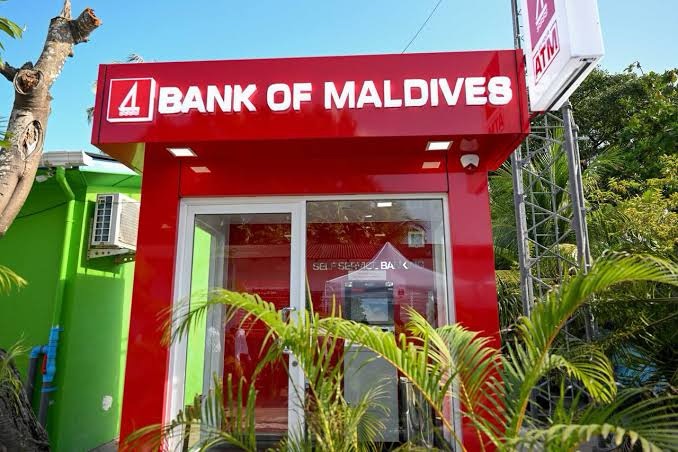
The Bank of Maldives (BML) announced that it will begin easing transaction limits on local currency (Rufiyaa) debit and credit cards specifically to help Maldivian students studying abroad settle their student visa fees.
According to BML Spokesperson Mohamed Saeed, the decision was made in close collaboration with the Maldives Monetary Authority (MMA). Under the new arrangement, all eligible students who apply to the bank and submit the necessary documentation will receive an adjusted card limit specifically tailored for paying visa costs. Previously, BML processed these requests strictly on a case-by-case basis.
The national bank re-emphasized its commitment to supporting students abroad with their educational and living expenses. BML highlighted that current active support measures include a monthly foreign transaction limit of $1,200 on Rufiyaa cards for students.
Additionally, parents or students can use Telegraphic Transfers (TT) from local Rufiyaa accounts to directly pay tuition fees and other related educational invoices. The bank also noted that provisions are in place allowing students to receive government higher education stipends and other structural allowances directly into their overseas bank accounts from local Rufiyaa funds, ensuring an uninterrupted flow of financial support during their studies.
BML’s Broader Role and Foreign Exchange Management
As the largest financial institution in the Maldives, BML acts as a primary backbone for the country’s retail economy, making its policies highly influential on daily life. Managing foreign currency availability has been a balancing act for the bank, which must distribute a limited supply of US dollars amid high local demand for international imports, travel, and overseas education.
The easing of student visa restrictions follows a series of macro-level adjustments implemented by the bank and the Maldivian government to improve overall public dollar access while curbing the informal exchange market. The bank rolled out a major phased overhaul of foreign currency allowances, which included:
- Debit Card Expansion: Shifting the point-of-sale (POS) terminal limit for overseas retail spending to $1,000, alongside creating a separate $3,000 allowance dedicated exclusively to critical overseas expenses like airline tickets, hotel bookings, and requested medical hospital bills.
- Credit Card Enhancements: Boosting spending power across three card tiers, raising standard monthly credit card limits to $1,400 for Classic cardholders, $1,500 for Gold, and up to $3,000 for Platinum accounts.
- Commercial Controls: To protect the dollar reserve for vital public necessities like health and education, the bank implemented measures to curb parallel business use of personal cards, such as adding a transaction fee for high-volume commercial purchasing on certain international e-commerce platforms.
By prioritizing essential sectors like student welfare and medical tourism, BML and the MMA aim to provide targeted structural support to citizens living abroad, shielding families from the high premiums of the informal currency market while maintaining stability within the national banking system.