

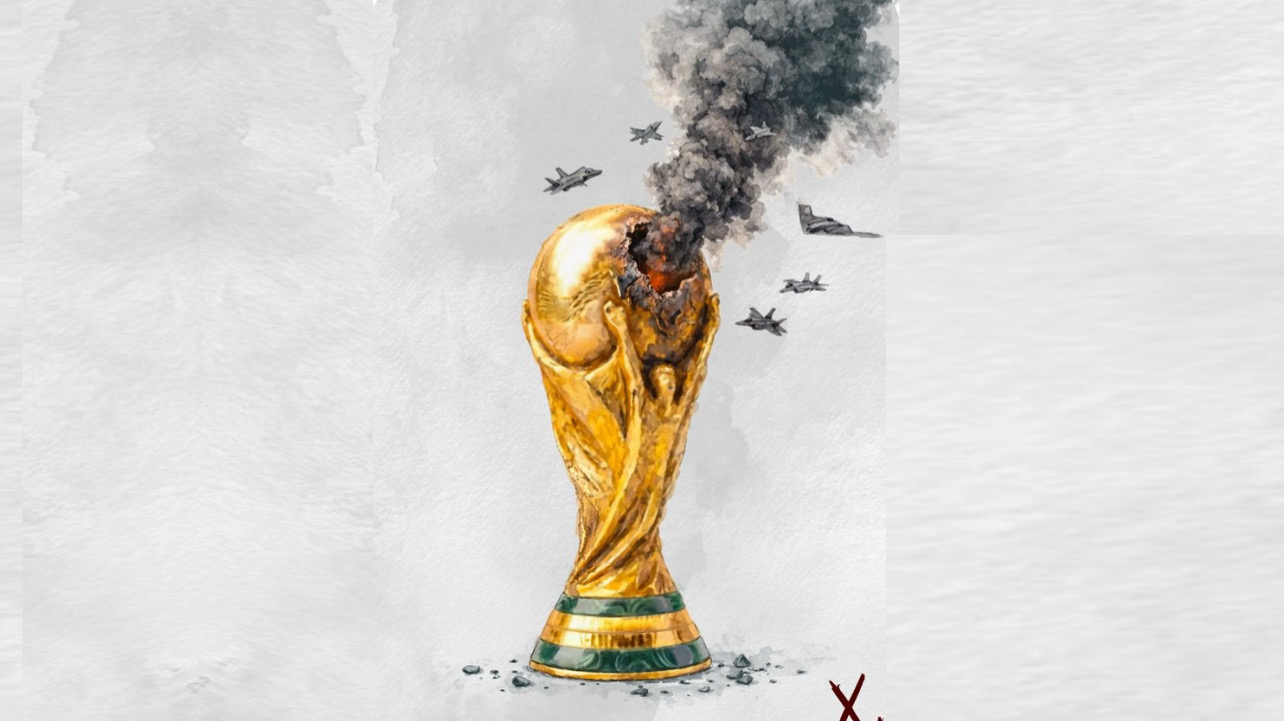
The opening days of the 2026 FIFA World Cup have been overshadowed not by football, but by a growing series of visa disputes, entry denials, security screenings and travel disruptions involving players, officials and supporters from across the globe.
Over the past 48 hours, questions have intensified about whether politics and immigration policies are becoming an unavoidable part of a tournament that was meant to unite the world through sport.
Swiss forward Breel Embolo was unable to travel with his national team after his entry authorization was placed under review, forcing him to seek an urgent visa appointment before eventually joining the squad.
Iraq’s star striker Aymen Hussein was reportedly held for questioning for nearly seven hours upon arrival in the United States, while a member of the Iraqi delegation was denied entry altogether.
Iran’s national team spent days navigating visa procedures before being cleared to travel. However, several members of the Iranian delegation were reportedly denied visas, and restrictions were imposed on how the team could enter and leave the United States during the tournament. Iranian officials accused Washington of allowing politics to interfere with sport.
One of the most controversial incidents involved Somali referee Omar Abdulkadir Artan, named Africa’s best men’s referee in 2025. Despite travelling with valid documents and a diplomatic passport, Artan was denied entry to the United States and will now miss the World Cup, ending what would have been a historic appearance for Somali football.
South Africa’s preparations were also disrupted after visa complications delayed part of the team’s delegation, forcing government officials to intervene before travel arrangements could be finalized.
Members of the Senegal national team were subjected to extensive security searches shortly after arriving in the United States, with footage circulating widely online. The images prompted criticism from some fans, who argued that players representing one of Africa’s biggest football nations should have received a warmer welcome at the world’s biggest sporting event.
The Uzbekistan national team also found itself at the centre of controversy after video emerged showing players and officials being screened by security personnel and bomb-sniffing dogs before a training session. The footage quickly spread across international media and social media platforms, adding to growing scrutiny of security procedures surrounding the tournament.
The footages sparked debate among fans, with some questioning whether visiting teams were being treated with the dignity normally associated with football’s biggest tournament.
The difficulties have not been limited to players and officials. Some Scottish supporters reported that travel authorizations granted months earlier were suddenly revoked just days before departure, while fans from several countries said visa refusals left them facing significant financial losses after purchasing flights, accommodation and match tickets.
Individually, each incident may have its own explanation. Together, however, they have created a growing perception that access to the World Cup is being shaped as much by immigration controls and political considerations as by football itself.
As the tournament gets underway, the conversation surrounding the World Cup is no longer focused solely on what happens on the pitch. For many teams, officials and supporters, the biggest challenge of the last 48 hours has been simply getting through the door.