

B. FULHADHOO — In a major step toward curbing ocean plastic pollution and establishing sustainable waste practices in local island communities, the Maldives Ocean Plastics Alliance (MOPA), in partnership with the B. Fulhadhoo Island Council and supported by funding from the Australian High Commission’s Direct Aid Program (DAP), has launched a multi-stage island waste management and plastic recovery initiative.
The project targets single-use plastics and PET bottle waste across B. Fulhadhoo—an island in the Baa Atoll renowned for its pristine beaches and expanding local eco-tourism sector.
Community Clean-Up Schedule
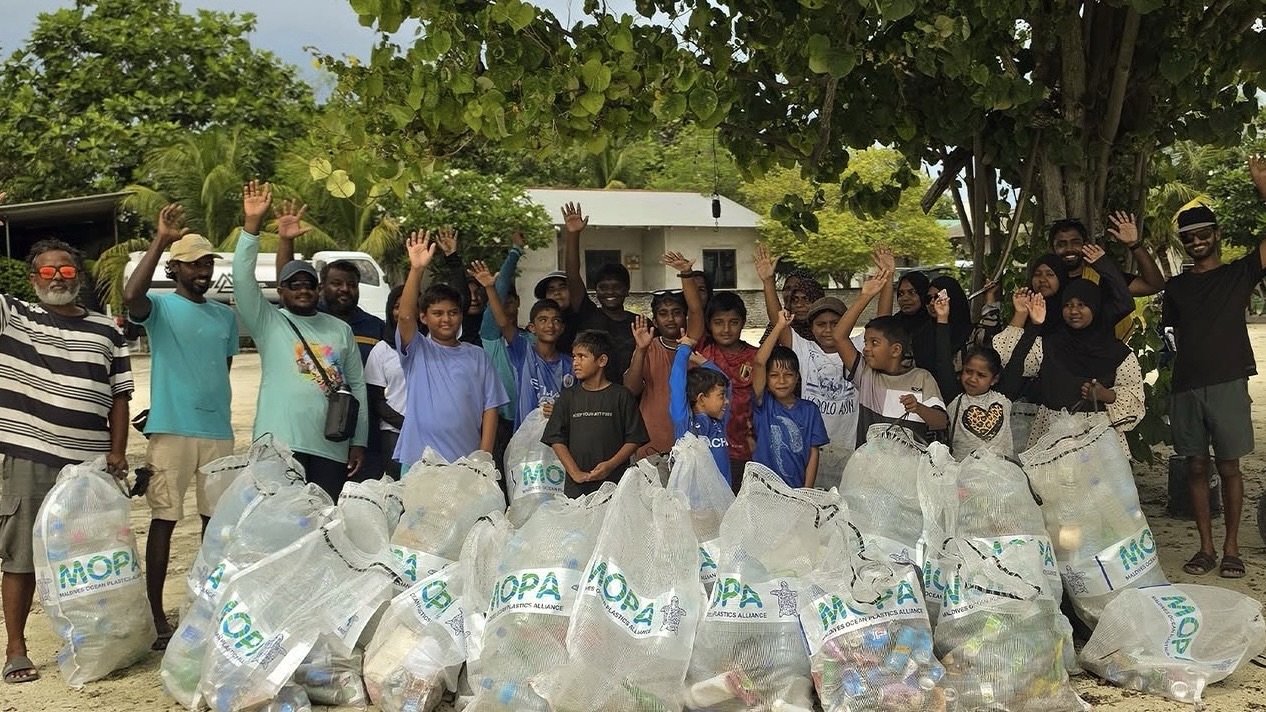
As part of the initiative’s direct action campaign, MOPA and the Island Council have scheduled targeted island-wide clean-up events to clear accumulated marine debris and engage the local community:
• First Clean-Up Drive: Held on September 11, 2026, bringing together community members, local volunteers, and council staff to conduct clean-ups along key beach areas and public spaces.
• Upcoming Clean-Up Drive: Scheduled for September 26, 2026, focusing on deep-cleaning shoreline zones, collecting PET bottles, and strengthening household waste-sorting practices.
Key Highlights & Program Details
• Funding Grant: Financial support for the project was provided by Australian Aid via the Direct Aid Program (DAP), a flexible small-grants scheme administered directly by the Australian High Commission to support grassroots community development and environmental preservation.
• Community Plastic Interception: The initiative established targeted collection banks and household waste segregation equipment across Fulhadhoo to intercept PET plastic bottles and marine debris before they leach into the island’s sensitive lagoon and surrounding coral reef systems.
• Reverse Logistics & Recycling: All PET bottles collected during these clean-up drives and through local collection points are bundled and transported to Malé via reverse logistics networks established by MOPA, where they enter formal recycling streams rather than ending up in landfills or being burned.
• Grassroots Mobilization: The campaign integrates residents, council representatives, local school students, and guest house operators, backed by educational sessions on source-segregation at the household level to build long-term sustainable habits.
Community Impact & Leadership Remarks
Speaking on the partnership, representatives from MOPAemphasized that island communities like Fulhadhoo are on the front lines of plastic pollution. Implementing structured segregation and continuous cleanup drives gives small islands the infrastructure needed to maintain a circular economy.
The B. Fulhadhoo Island Council welcomed the assistance, noting that as local tourism grows, establishing a clean, plastic-free environment is critical for both public health and economic sustainability.
Through Australian Aid’s DAP mechanism, the project serves as a practical model for how international small-grant assistance, non-governmental expertise, and local island governance can collaborate to address marine environmental challenges in the Maldives.