
17 November 2026 | Gaza Strip, Palestine
Israeli gunfire and airstrikes kill at least four Palestinians, including a six-year-old child
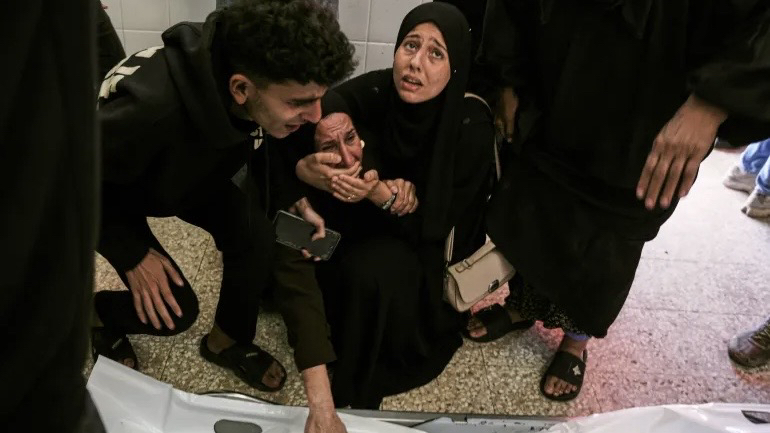
Israeli gunfire and airstrikes killed at least four Palestinians across the Gaza Strip on Tuesday, including a six-year-old child, according to local health officials.
The child, identified as Eyas El-Nimnim, was killed by Israeli fire in eastern Deir al-Balah, in central Gaza. Another Palestinian was also killed in a separate incident in the same area.
Two additional Palestinians were killed in separate Israeli airstrikes, one in Khan Younis in southern Gaza and another in the Bir al-Naja area in northern Gaza.
The Israeli military had not immediately commented on the reported incidents.
The deaths occurred despite the ceasefire agreement that came into effect in October 2025. According to Gaza health authorities, at least 1,600 Palestinians had been killed since the ceasefire began
Israeli drone strike critically wounds Palestinian near Bureij refugee camp
An Israeli drone strike critically wounded a Palestinian in the Abu Hujair area near the Bureij refugee camp in central Gaza.
A medical source at Al-Aqsa Martyrs Hospital confirmed that the injured Palestinian was brought to the hospital in critical condition following the strike.
The attack took place amid continued Israeli military activity in central Gaza, including gunfire, artillery shelling and the destruction of Palestinian residential structures.
The incident was reported by Anadolu Agency, citing medical sources.
Israeli military advances east of Deir al-Balah and demolishes Palestinian homes
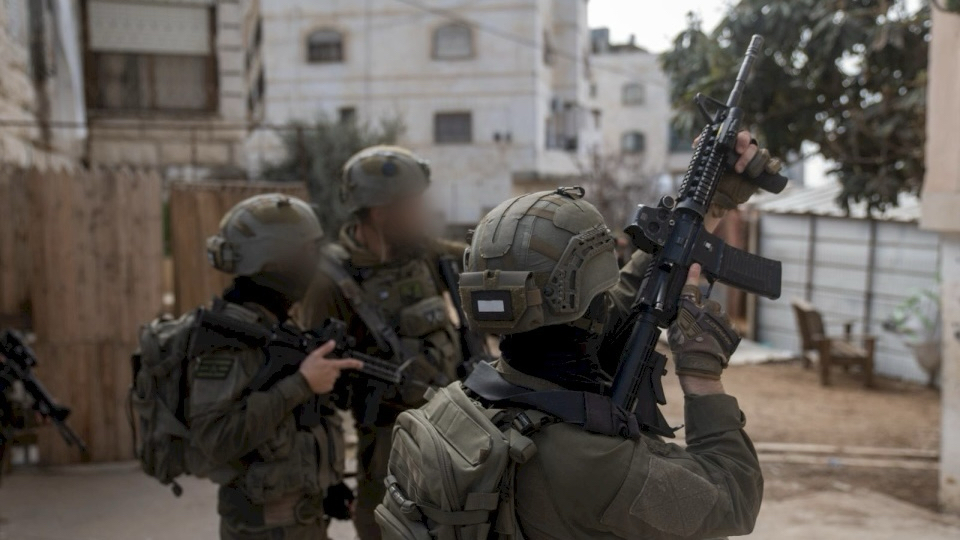
Israeli military vehicles, accompanied by bulldozers, advanced into the Abu Ubaida cemetery area east of Deir al-Balah in central Gaza.
According to local sources, the military vehicles entered the area amid gunfire and artillery shelling.
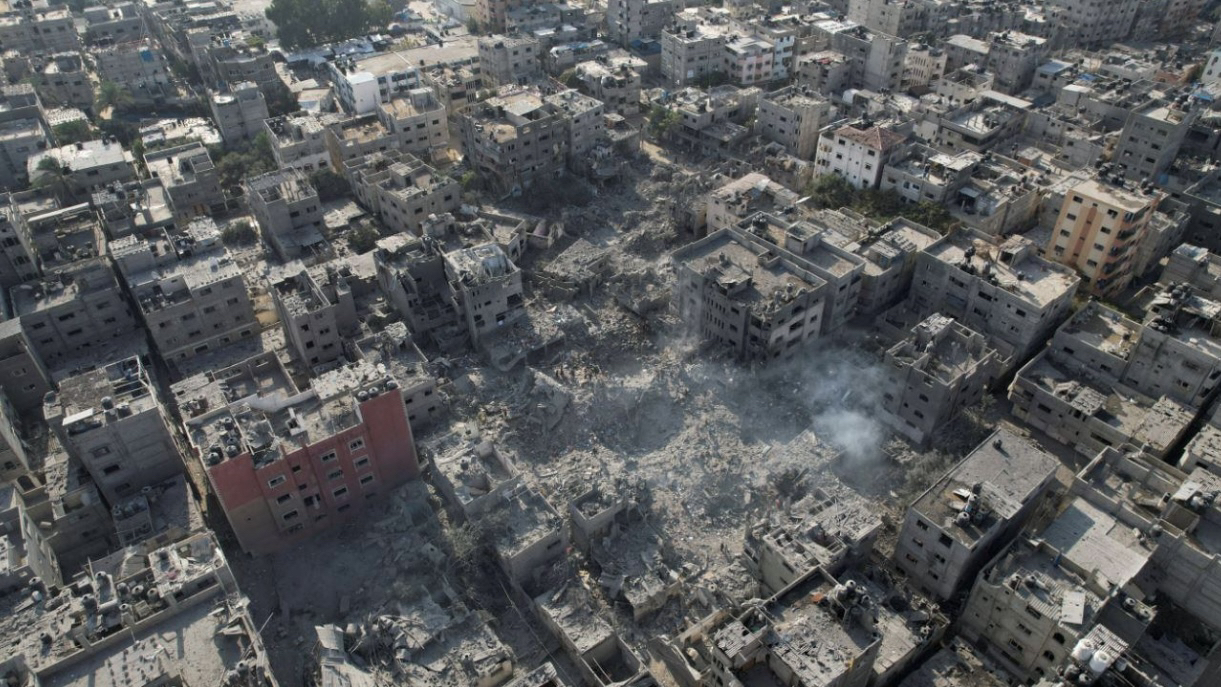
Israeli bulldozers subsequently demolished previously evacuated Palestinian homes and other civilian structures.
Witnesses also reported the use of explosive-laden boxes dropped by quadcopter drones to destroy buildings in eastern parts of central Gaza. The method was reportedly being used against evacuated homes and structures near the Israeli military’s deployment areas along the so-called Yellow Line.
The destruction was reported despite the existing ceasefire agreement.
UN warns of possible hypothermia deaths as winter approaches Gaza
The United Nations migration agency (IOM) warned that more Palestinians, particularly children, could die from hypothermia if adequate winter shelter and essential supplies are not allowed into Gaza.
The warning followed the death of a nine-month-old baby who reportedly died from suspected hypothermia on 12 November while living in a displacement tent.
Karl Baker, head of IOM’s Gaza programme, said children were especially vulnerable to cold because they lose body heat more quickly.
The agency also highlighted the shortage of winter shelter supplies:
- Approximately 100,000 tents were waiting to enter Gaza.
- IOM faced a $173 million funding shortfall for its winter shelter programmes.
- Entry of supplies was being hindered by border crossing closures and lengthy Israeli security inspections.
- The agency called for permission to bring in more durable shelters, including caravans and prefabricated housing.
Most of Gaza’s approximately 2.1 million residents remained displaced, with large parts of the territory subject to Israeli restrictions.
Israel’s military agency COGAT said it had a winterisation plan and that supplies and medicines continued to enter the territory.
Heavy rainfall damages more than 40,000 shelters across Gaza
Heavy rainfall continued to worsen conditions for displaced Palestinians living in temporary shelters across the Gaza Strip.
According to figures from the UN Office for the Coordination of Humanitarian Affairs (OCHA), more than 46,000 households had been affected by rainfall since 6 November, while over 40,000 family shelters had sustained damage.
More than 9,000 shelters had reportedly been destroyed beyond repair, leaving thousands of families without adequate protection against the weather.
In Al-Mawasi, near Khan Younis, displaced families described how rainwater entered their tents from underneath, soaking mattresses, blankets and clothing.
The flooding also created additional public health concerns:
Rainwater mixing with sewage from damaged sanitation networks increased the risk of contamination.- Nine health facilities were among those reported damaged by rainfall.
- Some medical services were suspended because of flooding and difficulties accessing healthcare facilities.
- Approximately 42% of essential medicines were at zero-stock levels in October.
- Around 85% of assessed households experienced moderate to severe water insecurity.
Humanitarian workers also warned that repeated displacement, damaged shelters and shortages of medical supplies were making it increasingly difficult for families to maintain basic healthcare.
The figures were highlighted in a report published by Vatican News drawing on OCHA’s humanitarian reporting and accounts from aid workers in southern Gaza.
Humanitarian organisations warn that Gaza’s winter crisis is worsening
Humanitarian organisations continued raising concerns about the combined effects of flooding, cold weather, inadequate shelter and shortages of essential supplies.
A report highlighted how the first winter storms had further damaged makeshift shelters and left displaced families struggling to protect themselves.
Families living in tents faced difficulties keeping children warm, finding dry bedding and accessing basic necessities after heavy rainfall.
The crisis was particularly severe for children, elderly people and those requiring regular medical treatment.
Aid organisations also faced difficulties maintaining their services because of electricity interruptions and shortages of medicines and other essential materials.
The humanitarian situation was further complicated by the limited availability of durable shelters, leaving many families dependent on temporary tents despite the approaching winter.