

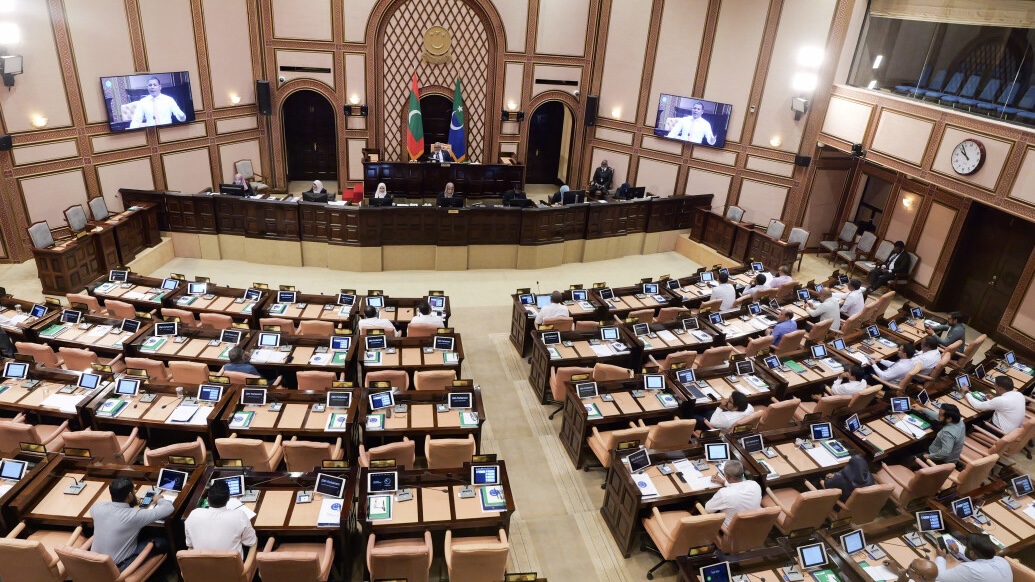
Parliament’s Whole House Committee has endorsed proposed amendments to the Maldives’ income tax and Goods and Services Tax (GST) laws, advancing a package of measures intended to tighten tax compliance while reducing regulatory costs for smaller businesses.
The Income Tax Amendment Bill, introduced on behalf of the Government by Vilufushi MP Hassan Waheed, secured 66 votes in the committee. One of its principal provisions would restrict the deduction of interest expenses when determining taxable income to 25 percent of a taxpayer’s tax-EBITDA for the applicable tax period.
The income tax proposal would also remove certain existing legal provisions. The planned changes are estimated to raise an additional MVR 496.3 million in government revenue. If the remaining legislative requirements are completed, the measures are intended to take effect on 1 January 2027.
The committee separately approved changes to the GST Act proposed by Kolamaafushi MP Ibrahim Didi. The bill would reverse GST obligations introduced for inbound tourism products and services provided by overseas tour operators, travel agencies and online booking platforms that do not have a permanent establishment in the Maldives.

The proposed change follows objections from tourism industry stakeholders over the cost and administrative complexity of applying the requirements to foreign businesses. However, withdrawing those obligations would also affect projected state revenue: estimates indicate that about MVR 1.61 billion previously expected from these overseas tourism services would no longer be collected.
Another provision of the GST amendment aims to ease compliance for smaller enterprises. From January 2027, the annual turnover threshold requiring businesses to register for GST would rise from MVR 1 million to MVR 1.5 million. Eligible businesses already registered could also apply to cancel their registration under the proposed rules.
At the same time, the legislation would expand the Maldives Inland Revenue Authority’s ability to respond to arrangements designed primarily to secure improper tax advantages. Under the proposal, the Commissioner General of Taxation could disregard or reclassify transactions structured to avoid, reduce or defer GST liabilities.
The two bills represent different approaches within the same reform effort: narrowing certain deductions and strengthening enforcement while easing registration requirements and reconsidering taxation of overseas tourism intermediaries.
Although the Whole House Committee has approved the amendments, they must still complete the parliamentary process before becoming law. Their proposed implementation dates and financial effects therefore remain subject to final legislative approval.