

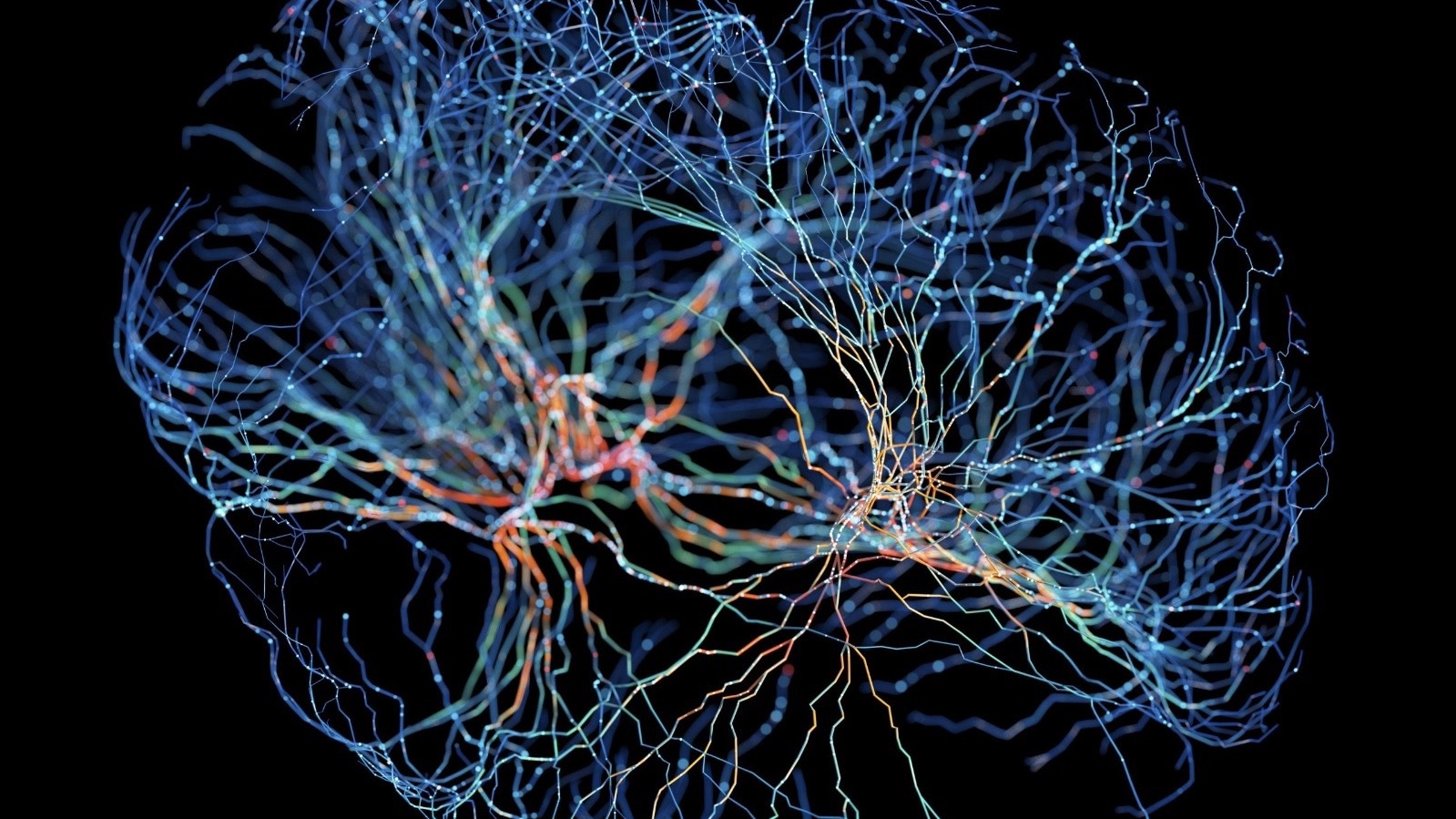
For over half a century, modern civilization has run on silicon. Silicon-based microchips have powered everything from early space probes to generative artificial intelligence models. However, silicon computing is rapidly approaching its physical and environmental limits. Transistor scaling is nearing atomic scales where quantum tunneling disrupts electrical flow and the energy required to power massive data centers and AI clusters is pushing global energy grids to their capacity.
Enter biocomputing, an emerging discipline merging synthetic biology, computer science, nanotechnology, and neuroscience. By utilizing biological molecules such as DNA, RNA, and enzymes or living cell cultures like lab-grown brain organoids as processing units, biocomputing promises parallel processing power, biological memory, and radical energy efficiency.
Rethinking the Microprocessor
Traditional computers process information using binary electrical signals (0s and 1s) routed through physical transistors etched onto silicon substrates. Biocomputers, by contrast, process information through molecular interactions, biochemical reactions, and cellular action potentials.
Instead of hardware circuits, biocomputers leverage three primary biological foundations:
• DNA and RNA sequences as software code and ultra-dense storage media.
• Enzymes and biological pathways to perform fundamental logic operations (AND, OR, NOT).
• Living neural networks and organoids to execute complex learning tasks.
Core Pillars of Biocomputing Architecture
Biocomputing encompasses several distinct paradigms, each leveraging a different biological mechanism to store or execute code.
DNA Data Storage and Computing
DNA is nature’s ultimate hard drive. The four nitrogenous bases—Adenine (A), Cytosine (C), Guanine (G), and Thymine (T)—can encode binary data, where pairs like 00, 01, 10, and 11 map directly to nucleotide combinations. A single gram of DNA can theoretically store approximately 215 petabytes (215,000 terabytes) of data.
While silicon tapes degrade within decades, synthetic DNA preserved under cool, dry conditions can remain intact for thousands of years. Furthermore, DNA excels at massive parallel computing. As early as 1994, researcher Leonard Adleman demonstrated that DNA fragments could solve the complex combinatorial “Hamiltonian Path Problem” by allowing billions of DNA strands to react simultaneously, evaluating all potential paths in parallel.
Genetic and Biochemical Logic Circuits
Using synthetic biology tools like CRISPR-Cas systems and genetic switches, researchers can engineer living cells such as E. coli or mammalian cells to behave like programmable logic gates. Specific chemical triggers, light wavelengths, or cellular metabolites serve as inputs. Synthetic gene circuits inside the cell then evaluate whether conditions meet designated boolean criteria (for example, whether Biomarker A is present AND Biomarker B is absent). The outputs result in the production of fluorescent proteins, targeted enzymes, or therapeutic compounds.
Neurotech and Organoid Intelligence
Organoid Intelligence (OI) represents one of the newest frontiers in biocomputing. Instead of relying solely on static biomolecules, OI utilizes three-dimensional clusters of living human brain cells grown from induced pluripotent stem cells (iPSCs) integrated with silicon microelectrode arrays.
This biological approach bypasses the traditional “Von Neumann bottleneck,” where fetching data from storage to the processor wastes energy and creates latency. Neurons naturally combine memory storage and processing within the same synaptic connections.
The energy efficiency is equally profound: the human brain operates at a power consumption of roughly 20 Watts, whereas replicating similar learning capacities in a silicon supercomputer requires megawatts of electricity. Systems such as Cortical Labs’ DishBrain have already demonstrated that structured electrical feedback can train biological neural networks in a dish to perform adaptive tasks, including playing classic arcade games.
Real-World Applications
Biocomputing is rapidly transitioning from academic research labs into practical deployment across healthcare, high-performance computing, and environmental science:
1. In-Vivo Diagnostics and Smart Therapeutics: Engineered cell circuits can operate directly inside the human body. Biosensors can monitor physiological signals in real time, detect cancerous mutations at the single-cell level, and synthesize targeted drug doses on demand.
2. Cold Data Archiving: Technology firms and archival institutions are actively testing DNA storage systems to replace magnetic tape for long-term data preservation, significantly reducing the physical and carbon footprint of global cloud data centers.
3. Complex Optimization: DNA-based biocomputers excel at massive multi-variable problems, such as drug molecule screening, protein folding predictions, and supply-chain routing, by evaluating millions of combinations simultaneously.
Technical Hurdles and Operational Challenges
Despite its immense potential, biocomputing faces significant engineering challenges before widespread commercial deployment is possible:
Speed and Latency: While biocomputers achieve immense parallelism, individual chemical or biological reactions operate on millisecond-to-second scales, which is notably slower than nanosecond electrical operations in silicon chips.
System Stability: Living biological components require continuous nutrient regulation, precise temperature control, and sterile conditions to prevent cell death or functional degradation.
Noise and Error Rates: Biochemical interactions and genetic mutations introduce stochasticity (random noise), requiring complex error-correction algorithms to ensure reliable outputs.
Ethical Considerations: Organoid Intelligence raises novel ethical questions regarding consent, human cell sourcing, and the distant theoretical boundaries of synthetic neural awareness.
The Horizon: Hybrid Bio-Silicon Systems
Industry experts anticipate that the future of computing will not involve a total replacement of silicon, but rather the emergence of hybrid bio-silicon architectures.
Silicon processors will continue to handle raw deterministic operations, high-speed graphics, and structured calculations. Meanwhile, biological coprocessors integrated via bio-compatible microfluidics and neural interfaces will manage pattern recognition, long-term archival storage, and ultra-low-power adaptive learning. As bioengineering tools mature, biocomputing offers a clear path toward sustainable, scalable, and truly biological information processing.