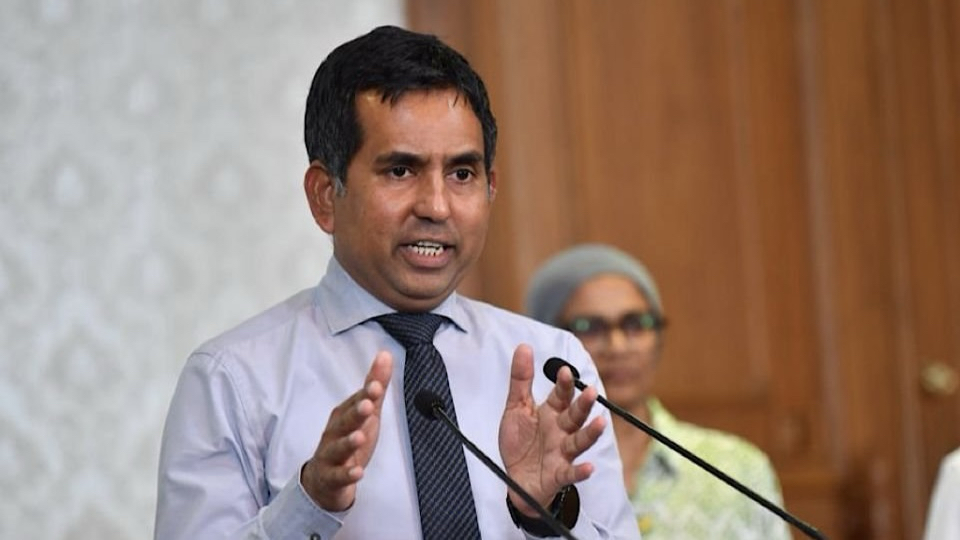


Moody’s has upgraded the Maldives’ sovereign credit rating from Caa2 to Caa1 and assigned a stable outlook, citing progress in the government’s fiscal consolidation measures, debt repayments and efforts to strengthen financial stability.
According to a statement issued by the Ministry of Finance on October 8, 2026, Moody’s assessment reflects the effectiveness of the government’s fiscal policies and progress in meeting debt obligations, which have reduced near-term risks to debt servicing.
The ministry said key factors behind the upgrade include the full repayment of the government’s US$500 million sovereign sukuk in April, the repayment of a US$400 million currency swap facility, and the settlement of a combined US$100 million in Treasury bills in May and September.
The government also highlighted the extension of the maturity of a US$100 million Eurobond to 2031, saying this has reduced the amount of debt that needs to be repaid in the near term.
Moody’s also noted the strengthening of the Maldives’ foreign exchange reserves and increased funds held in the Sovereign Development Fund, alongside greater confidence in the country’s access to financial support from international institutions and neighbouring countries, according to the Finance Ministry.
The ministry said foreign exchange measures introduced since 2024 have increased foreign currency entering the Maldivian banking system, contributing to higher official reserves and SDF balances. It said these measures, together with reduced expenditure required for external debt servicing, are expected to further support the country’s financial position.
The Maldives has also secured US$130 million in financial assistance from international institutions, including US$40 million from the World Bank, US$50 million from the Asian Development Bank and US$40 million from the OPEC Fund.
The Finance Ministry said government debt stood at 129.2 percent of GDP at the end of 2025 but had fallen to 122.6 percent by the end of July 2026. The ministry attributed the decline to debt repayment efforts and fiscal policies implemented by the government.
Despite the improvement in its rating, the Maldives continues to face significant fiscal pressures. The government said it remains focused on protecting essential services, supporting economic activity and keeping state expenditure within the approved budget while addressing challenges arising from global economic conditions and rising energy prices.
The upgrade to Caa1 represents an improvement in the Maldives’ credit assessment after Moody’s previously downgraded the country to Caa2 in 2024 amid concerns over its external financing needs and ability to meet upcoming debt obligations.